
Veitchia arecina
Veitchia arecina
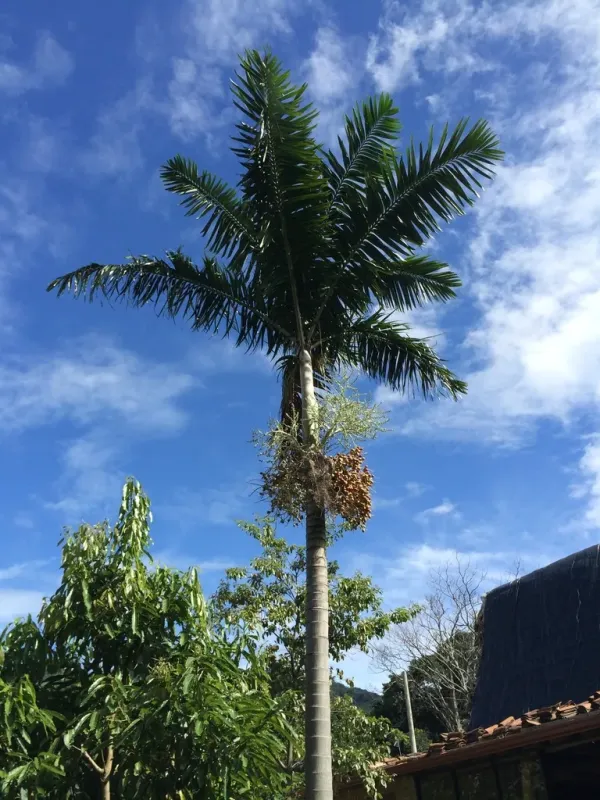
Description
Growing requirements
Veitchia arecina is a stunning ornamental palm belonging to the Arecaceae family, originating from the tropical rainforests of the Vanuatu archipelago.
This species thrives in high-humidity environments and requires temperatures consistently above 20 degrees Celsius to maintain healthy growth and foliage development.
Soil composition must be rich in organic matter, well-draining, and slightly acidic, mimicking the natural nutrient-dense leaf litter found in its native habitat.
While the palm is highly light-demanding, it prefers bright, filtered sunlight to prevent chlorophyll degradation and leaf burn common in intense direct tropical sun.
Consistent irrigation is crucial during the growing season; however, allowing the top layer of the soil to dry slightly between waterings helps prevent root asphyxiation.
Main diseases and pests
Spider mites are the most common pests affecting this palm, particularly in dry indoor environments where the lack of humidity allows their populations to spike quickly.
Overwatering often triggers root rot, a devastating condition caused by soil-borne pathogens that compromise the plant's ability to uptake water and essential minerals.
Mealybugs tend to hide in the tight crevices of the leaf bases, where they feed on sap and can cause secondary fungal infections if left untreated for long periods.
Leaf spot diseases, often caused by various fungi, can spread rapidly if the foliage remains wet for extended periods, necessitating improved airflow around the plant.
Integrated pest management, including regular inspection and the use of insecticidal soaps, is vital for maintaining the health and vigor of Veitchia arecina specimens.