
Vahlia geminiflora
Vahlia geminiflora
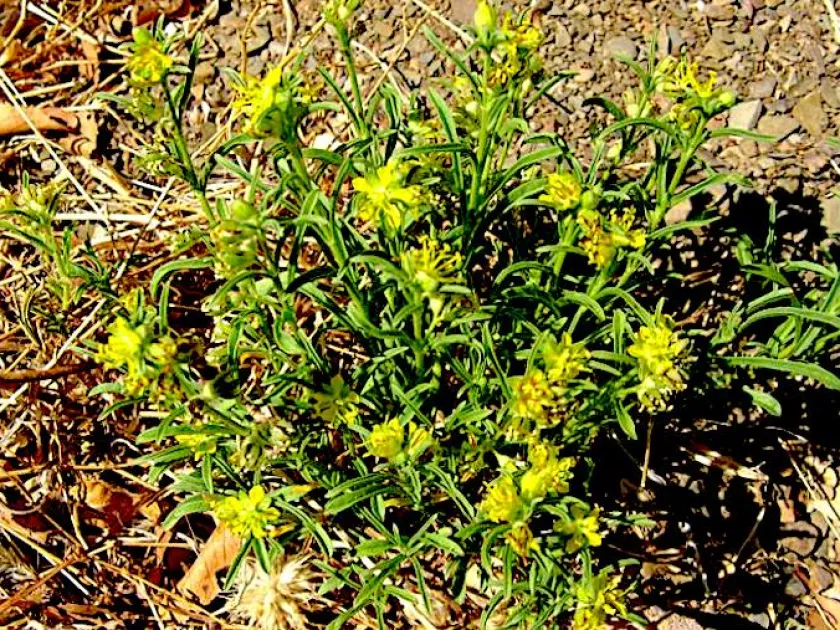
Description
Growing requirements
Vahlia geminiflora is a distinctive plant species belonging to the Vahliaceae family. It is known for its ability to thrive in harsh, arid environments where many other agricultural crops would fail to survive.
The botanical structure of the plant features specialized foliage capable of minimizing transpiration. The stems are typically erect or spreading, and the characteristic paired flowers provide the basis for its scientific classification.
Cultivation requires well-drained sandy or loamy soils. The plant shows a high tolerance for poor soil nutrient conditions, making it an interesting subject for studies in sustainable agriculture in dry regions.
Climatic requirements are focused on high solar radiation and stable warm temperatures. Vahlia geminiflora is essentially a xerophytic organism, highly efficient in water management and physiological water-use efficiency.
Successful management involves careful site selection to avoid any stagnant water, which is the most significant limiting factor for the healthy development of this specific crop in farm settings.
Main diseases and pests
Root system fungal pathogens are the most significant threat to Vahlia geminiflora, often triggered by excessive soil moisture or improper drainage in agricultural plots.
Insect pests such as locusts or various orthopterans can inflict damage on leaves, particularly in areas where the plant serves as a forage resource in semi-arid ecosystems.
Weed competition is a major challenge during the early seedling stage. Ensuring a clean field start is essential for the crop to establish a robust canopy that can eventually shade out competitors.
Viral infections transmitted by sap-sucking insects can reduce the overall yield and vigor of the plant, necessitating periodic checks of the health status of the crop throughout the season.
Integrated pest management strategies are recommended to maintain the ecological balance of the field, especially considering the natural habitats where this species is commonly found.