
Vahlia digyna
Vahlia digyna
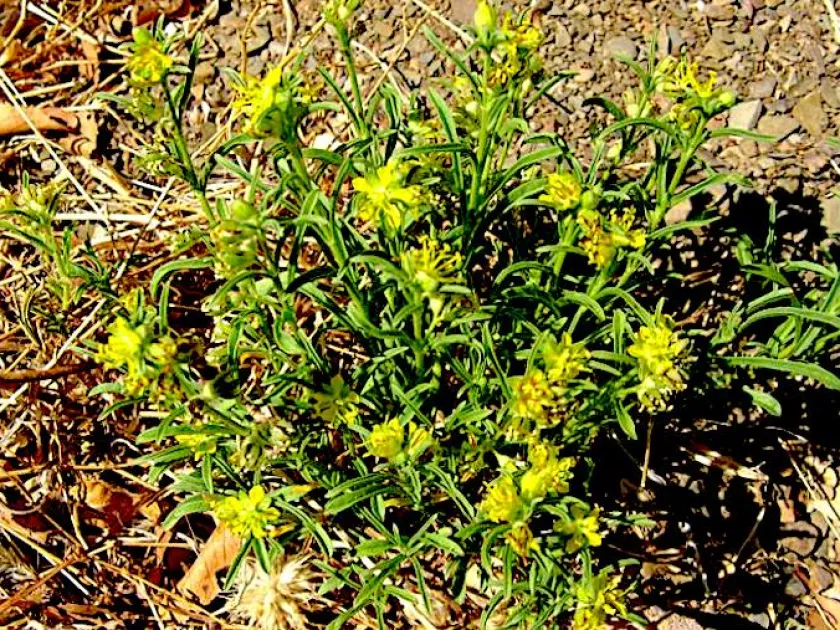
Description
Growing requirements
Vahlia digyna is an annual herbaceous plant belonging to the Vahliaceae family. This species is native to tropical and arid regions, specifically found in parts of Africa and Asia, where it survives in harsh, low-rainfall environments.
The plant thrives in well-drained sandy or loamy soils. It requires high light intensity and warm temperatures to reach its full vegetative potential, making it unsuitable for cooler, temperate climates.
Botanically, Vahlia digyna is recognized by its glandular-pubescent stems and opposite lanceolate leaves. These features allow the plant to retain moisture efficiently during periods of extreme heat and drought.
The crop is utilized primarily in pastoral systems as a source of forage for livestock. It serves as a vital resource in areas where irrigation is not feasible and traditional forage crops fail to survive.
Cultivation practices focus on minimal water input and effective weed management. Due to its slow initial growth rate, it is crucial to protect the seedlings from competitive pressure until they are well-established.
Main diseases and pests
Pathogenic threats are primarily associated with excessive soil moisture. Root rot is the most common fungal problem that occurs when the plant is grown in poorly drained, waterlogged soils.
Insect pests include leaf-eating caterpillars and spider mites, which can cause significant damage during the peak of the dry season. These pests often multiply rapidly in stressed plant populations.
Weed infestation is a primary concern for the success of Vahlia digyna crops. Early manual or mechanical weeding is essential to ensure that the plants receive adequate sunlight and nutrients.
Monitoring for signs of nutritional deficiencies is recommended, as imbalanced soil minerals can weaken the plant's natural defense mechanisms against common environmental pathogens.
Integrated pest management strategies should be applied to minimize the need for chemical interventions, especially when the crop is designated for animal consumption or grazing.