
Vahlia dichotoma
Vahlia dichotoma
Description
Growing requirements
Vahlia dichotoma is an annual herbaceous plant belonging to the Vahliaceae family. Native to regions across Africa and Asia, it is primarily found in tropical and subtropical environments where it thrives in open, sunny locations with specific soil moisture regimes.
The plant exhibits a preference for sandy or well-drained loamy soils. In its natural habitat, it is frequently observed along riverbanks and in areas that experience seasonal flooding, demonstrating a high tolerance for varying water levels during its growth cycle.
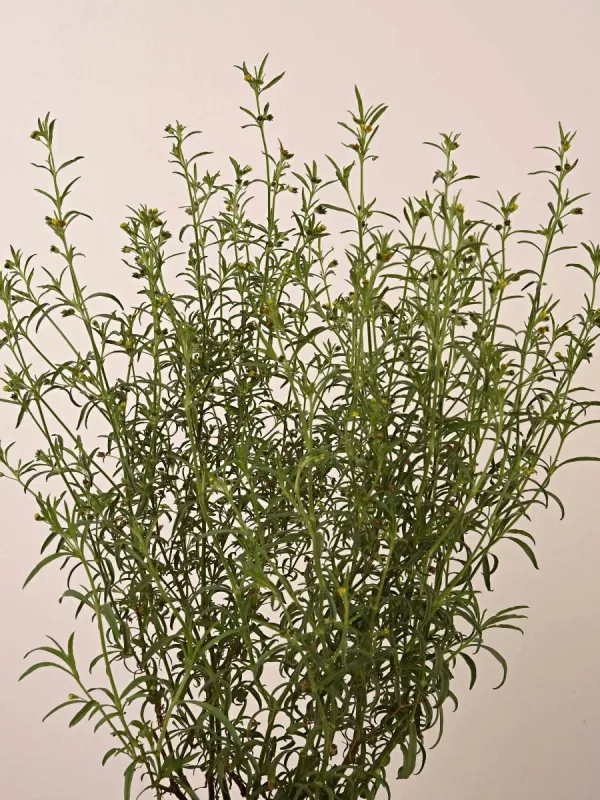
Morphologically, Vahlia dichotoma is recognized by its branched stems and opposite leaves. The growth pattern is distinctly dichotomous, meaning the stem repeatedly divides into two branches, which gives the plant its characteristic bushy appearance as it reaches maturity.
The flowering process is marked by the emergence of small, typically yellow or white flowers arranged in cymose inflorescences. These structures are adapted for pollination by small insects common in the plant's native ranges, ensuring effective seed set for the next generation.
From an agricultural perspective, while not a mainstream crop, the species is valuable in terms of botanical research and local biodiversity. Its ability to colonize disturbed sites makes it an interesting subject for studies regarding soil stabilization and native plant ecology in arid or semi-arid zones.