
Hybrid Urochloa
Urochloa ruziziensis x Urochloa decumbens x Urochloa brizantha
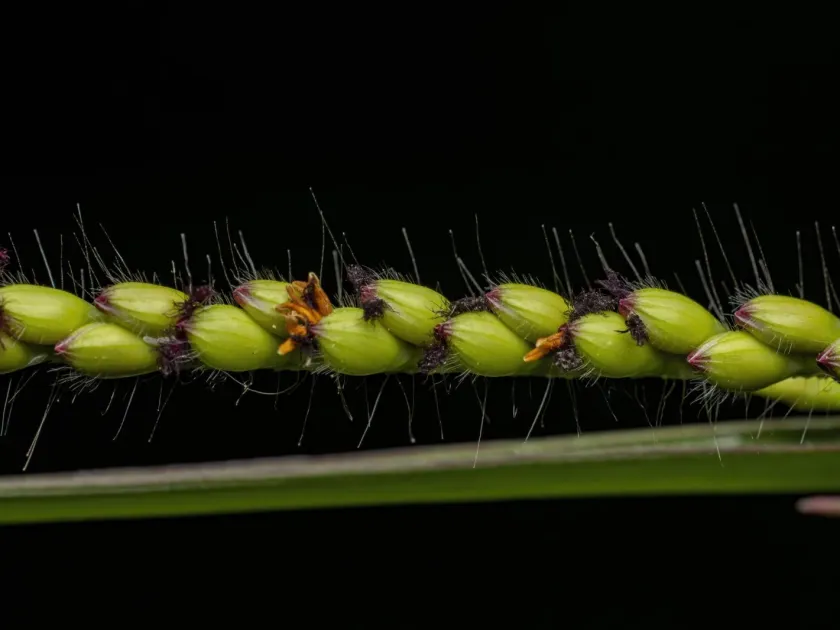
Description
Sowing dates
Sowing of Hybrid Urochloa is recommended during the beginning of the rainy season when soil temperatures remain consistently above 18-20°C. Proper timing ensures the seeds have sufficient moisture to establish a strong root system before any potential dry spells.
The seeding rate typically ranges from 5 to 10 kilograms per hectare. Due to the small size of the seeds, they should be sown at a shallow depth of 2-3 cm to facilitate quick emergence and prevent energy depletion of the seedlings.
Firming the soil with rollers immediately after sowing is a critical step in the establishment phase. This practice ensures good seed-to-soil contact and prevents the upper layer of the soil from drying out prematurely.
The crop thrives best in clean seedbeds where competition from weeds is minimal. In the first few weeks, it is essential to manage weed pressure to ensure the young grass can compete effectively for nutrients and sunlight.
Modern precision drills can significantly improve uniformity in plant distribution, leading to a more consistent canopy and higher total biomass output per hectare.
Growing requirements
Hybrid Urochloa belongs to the Poaceae family and is a result of complex cross-breeding. It is specifically designed to excel in tropical and subtropical environments, demonstrating significant environmental resilience.
This grass prefers well-drained soils with a pH ranging from 5.0 to 6.5. Its ability to tolerate acidic soils makes it an excellent choice for improving marginal lands that may be unsuitable for other crops.
While the crop requires at least 800-1000 mm of annual rainfall for peak performance, its deep root system allows it to withstand short-term droughts better than many conventional pasture grasses.
Waterlogged or poorly drained fields should be avoided, as the root system is sensitive to prolonged anaerobic conditions, which can lead to plant decline and thinning of the stand.
Strategic fertilization with nitrogen and phosphorus is highly recommended. As a high-growth crop, it responds vigorously to soil nutrients, allowing for frequent cuts or intense grazing rotations.
Yield
The yield potential of Hybrid Urochloa is substantial, often producing between 15 and 20 tons of dry matter per hectare annually under optimal management practices and appropriate fertilization.
Due to its rapid regrowth rate, it supports high stocking densities and allows for multiple harvesting cycles throughout the growing season, maximizing the utilization of available land.
The nutritional profile of the grass is highly favorable for livestock, featuring a good balance of crude protein and digestible fiber, which translates to better weight gain in grazing cattle.
When used as hay or silage, the crop retains its nutritional quality well, provided that the harvesting is timed before the seed head matures, which keeps the protein content high.
Effective pasture rotation is vital to maintain the vigor of the stand over several years, ensuring that the plant remains in its vegetative stage and avoids senescence.
Main diseases and pests
The main biological threats include spittlebugs and other sucking insects that can cause significant damage to the foliage and potentially transmit various plant viruses, weakening the grass.
Fungal leaf spots can occur during periods of excessive humidity or poor air circulation within the canopy, limiting the plant's capacity for photosynthesis and reducing overall forage quality.
Improper pasture management, such as continuous heavy overgrazing, can deplete the plant's carbohydrate reserves and make it more susceptible to opportunistic diseases and soil pathogens.
Integrated pest management, including regular monitoring and maintaining optimal plant health through fertilization, remains the most effective defense strategy for commercial producers.
- Regular inspection for signs of insect infestation or fungal growth.
- Avoidance of overstocking to maintain plant vigor.
- Balanced fertilization to support natural resistance.