
Urochloa glumaris
Urochloa glumaris (Trin.) Veldkamp
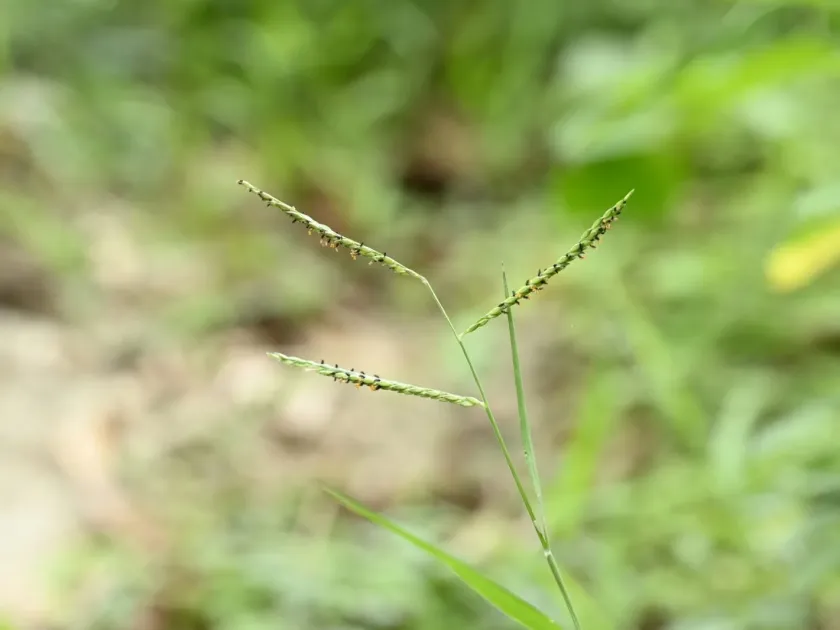
Description
Sowing dates
The sowing period for Urochloa glumaris is primarily determined by the onset of the rainy season to ensure sufficient moisture for seedling establishment.
Optimal soil temperatures for germination range from 20 to 25 degrees Celsius, facilitating rapid emergence and the development of a robust root system.
Seeds should be planted at a controlled depth to prevent desiccation while ensuring they have access to the nutrients required for early growth stages.
Proper seedbed preparation is essential, including clearing competitive weeds and loosening the soil to improve root penetration and moisture retention.
In regions with distinct dry seasons, irrigation may be necessary during the initial weeks of establishment to ensure consistent stand density.
Growing requirements
As a member of the Poaceae family, Urochloa glumaris exhibits significant adaptability to a wide array of soil types, particularly in tropical climates.
The plant thrives in well-drained loamy soils but possesses the physiological mechanisms to withstand short periods of waterlogging during heavy rainfall.
High sunlight exposure is a prerequisite for maximum biomass production, as the species is sensitive to shading which limits its photosynthetic capacity.
The crop prefers soils with a pH ranging from slightly acidic to neutral; on highly degraded soils, amendment with lime may enhance nutrient uptake efficiency.
Adequate nitrogen availability is critical, as this grass species responds positively to fertilization, resulting in significantly improved yields and regrowth rates.
Yield
The yield of Urochloa glumaris is highly dependent on management intensity, with nitrogen fertilization and grazing rotation being key variables.
Productivity is highest in fertile soils where moisture is abundant, allowing for multiple harvests within a single growing season for forage production.
The nutritional composition, including protein content and fiber digestibility, makes it an excellent choice for supporting livestock productivity.
While yields can be substantial, producers must be cautious not to overgraze, as depleting the plant's reserves can decrease its ability to recover effectively.
Strategic management of fertilization and irrigation can help maintain consistent production levels throughout the year, even in challenging environmental conditions.
Main diseases and pests
Various soil-borne larvae represent a primary threat to the root system, causing significant damage that reduces the vigor of the plant stand.
Fungal leaf spot diseases are common, especially in environments with high humidity and stagnant air, which promote pathogen proliferation and foliage degradation.
Pest populations, including various insects that feed on leaves, can diminish photosynthetic capacity and overall plant vigor if not controlled appropriately.
Preventative measures, such as maintaining appropriate stand density and practicing rotational grazing, are effective in minimizing disease and pest outbreaks.
Integrated pest management strategies are recommended, focusing on maintaining plant health through nutrition and minimizing reliance on synthetic pesticides.
Harvesting
Harvesting for hay or silage should occur at the onset of flowering, which represents the optimal balance between biomass volume and nutritional quality.
Mechanical harvesting requires sharp equipment and proper height adjustment to protect the plant's growing points and encourage rapid regrowth.
Once cut, the forage should be dried or ensiled promptly to prevent the loss of dry matter and the development of spoilage organisms due to high moisture levels.
Seed harvesting requires careful timing, as the mature seeds are prone to shattering, necessitating collection when the inflorescences show signs of browning.
Proper post-harvest handling and storage are crucial to maintain the quality of the harvested material, ensuring it remains safe and nutritious for livestock feed.