
Urochloa dictyoneura
Urochloa dictyoneura (Fig. & De Not.) Veldkamp
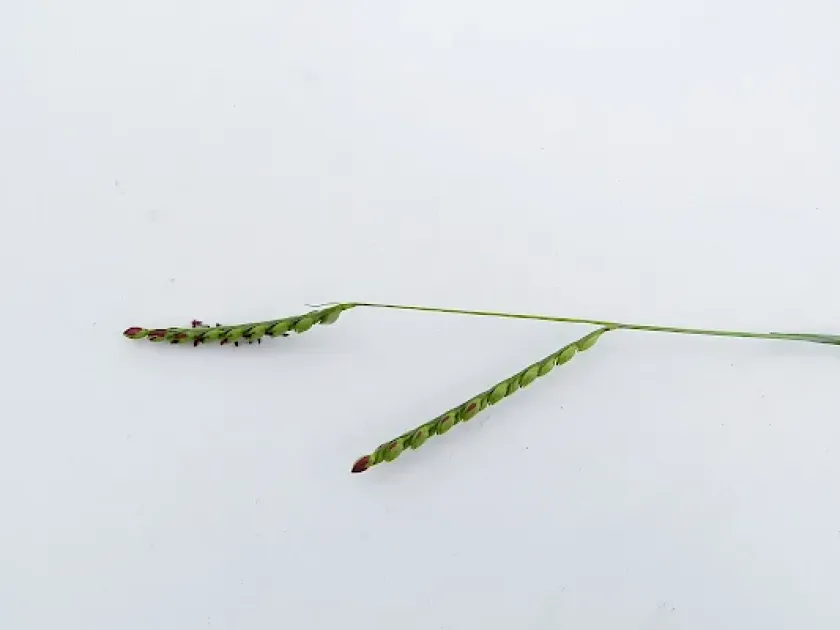
Description
Sowing dates
Urochloa dictyoneura is a perennial grass species belonging to the Poaceae family, widely recognized for its high adaptability and biomass production. Often referred to in earlier literature under the genus Brachiaria, it is valued for its vigorous stoloniferous growth habit, which allows it to cover the soil surface rapidly.
Sowing is typically performed at the onset of the rainy season, ensuring adequate soil moisture for successful germination. Soil temperatures should ideally exceed 20°C to promote steady root development in young seedlings, which is critical for their establishment.
Seed rates generally range from 4 to 8 kg per hectare, depending on seed quality and method of sowing. Because the seeds are small and sensitive to environmental conditions, they should not be buried deeper than 1 to 2 cm to ensure the plumule can reach the surface without depleting its energy reserves.
Pre-sowing scarification is often recommended to improve germination percentages, as the seeds have a relatively hard outer coat. Implementing this step significantly enhances the uniformity of the stand, reducing the risk of gaps that could be colonized by competing weed species.
In regions prone to severe dry spells, early planting is essential. Providing the plants with enough time to establish their root systems before the cessation of rains allows them to survive the dormant period and regrow vigorously when moisture returns.
Growing requirements
This grass thrives in tropical and subtropical climates, preferring areas with annual rainfall exceeding 1000 mm. It is notably tolerant of waterlogged conditions and can withstand short-term flooding, making it suitable for areas where drainage might be a seasonal challenge.
Urochloa dictyoneura is well-adapted to low-fertility acid soils. It performs effectively even in soils with low phosphorus levels, although nitrogen fertilization significantly boosts dry matter yields. It prefers a soil pH range between 5.0 and 6.5, which covers many typical tropical soil profiles.
The species exhibits commendable drought tolerance, maintaining green foliage longer than many other forage grasses in the same genus. This characteristic makes it a reliable component of grazing systems in environments with irregular or seasonal rainfall patterns.
Light requirements are high, as the species does not perform well under dense shade. Therefore, it is best utilized in open pasture settings where sunlight is abundant, enabling it to form a dense sod that suppresses invasive weeds and minimizes soil erosion.
Management of soil fertility is beneficial for long-term productivity. While it survives in poor soils, periodic nutrient replenishment, especially with nitrogen-based fertilizers, ensures that the grass remains palatable and productive for the livestock grazing on it.
Yield
The biomass yield of Urochloa dictyoneura is heavily influenced by management intensity and environmental conditions. With proper fertilization and rotational grazing, it can produce between 15 and 25 tonnes of green matter per hectare, providing a stable source of nutrition for livestock.
Its primary agricultural use is as a grazing forage. The grass is characterized by high palatability, especially in its vegetative growth stage, and excellent regrowth capacity. Animals consistently choose this species when it is kept in a fresh, leafy state.
Nutritional value varies based on the age of the stand; crude protein content typically ranges from 8% to 12% when managed correctly. To maintain these levels, grazing should be intensive enough to prevent the stand from becoming stemmy and losing its nutritional value.
It can also be utilized for hay production, although the succulent nature of the stems means it requires a longer drying period compared to other hay grasses. Harvesting should occur just before flowering to ensure that the protein and fiber content remain in an optimal balance.
Continuous productivity is ensured by implementing a rotation schedule that prevents overgrazing. By allowing the plants to recover after being grazed, the pasture maintains high vigour and consistently yields high-quality forage throughout the growing season.
Main diseases and pests
The main threat to Urochloa dictyoneura pastures is the infestation of spittlebugs, a group of insects that suck the sap from stems and leaves. These pests can cause significant damage, leading to the yellowing and dying of large sections of the pasture.
Fungal diseases, including leaf spot, may occur under conditions of high humidity and poor air circulation within the stand. Maintaining appropriate stocking rates helps manage the height of the grass, facilitating better airflow and reducing the prevalence of these fungal pathogens.
Rust diseases can also affect the crop, particularly in areas with prolonged wet weather. Integrated pest management, which includes selecting resistant cultivars and maintaining overall plant health through balanced nutrition, remains the most effective defense strategy.
Overgrazing poses a major threat to the long-term sustainability of the pasture. It degrades the root system, leaves the soil exposed to erosion, and encourages the encroachment of undesirable woody weeds, which are difficult to eradicate once they take hold.
Effective pasture management includes regular monitoring for early signs of insect attacks and localized disease outbreaks. Early detection allows for prompt action, such as temporary resting of the affected area or the use of targeted control methods that do not harm the overall ecosystem.
Harvesting
Seed harvesting requires precision as the crop tends to shatter when fully mature. Monitoring the seed heads for color change and moisture loss is vital to determine the optimal window for collection before significant amounts of seeds are lost to the ground.
For green fodder or hay production, mowing should be done at a height of 5 to 10 cm. This specific height is crucial for preserving the basal buds, which are the source of regrowth, thereby ensuring a faster recovery after harvesting.
Hay drying involves spreading the cut material in windrows to allow for gradual moisture loss. Given the succulent nature of the grass, frequent turning is necessary to promote even drying and prevent mold development, which can spoil the fodder.
Collected seeds should be dried in well-ventilated, shaded conditions before storage to maintain high viability. Proper handling and storage of seeds ensure that future plantings are successful and uniform, contributing to the expansion of productive forage areas.
Depending on local conditions, the pasture can be harvested up to 4 to 6 times per year. This frequency of utilization makes it one of the most productive grass options in its suitable range, provided the soil moisture and nutritional needs are met consistently.