
Urceola torulosa
Urceola torulosa
Description
Growing requirements
Urceola torulosa is a perennial woody vine belonging to the Apocynaceae family. Native to the tropical regions of Southeast Asia, this species thrives in humid forest environments where it utilizes surrounding vegetation to climb and reach higher canopy layers for optimal photosynthesis.
The cultivation of this crop requires specific tropical conditions, characterized by high atmospheric humidity and consistently warm temperatures throughout the year. The plant prefers well-drained, nutrient-rich soils, typically found in areas with high rainfall and organic matter accumulation.
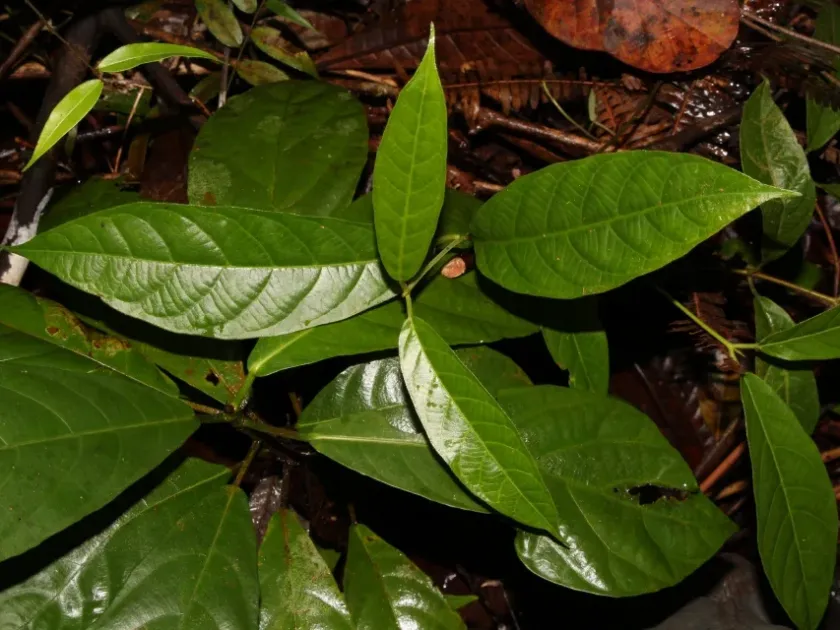
Botanically, Urceola torulosa exhibits strong, flexible stems and leathery, evergreen leaves. These adaptations allow the plant to survive in varied light intensities, typical of the dense tropical rainforest floor and middle-story zones where it originates.
The primary economic interest in Urceola torulosa lies in its latex content. Historically, it has been identified as a significant source of natural rubber, making it a subject of interest for sustainable rubber production in tropical regions where soil conditions are favorable for vine growth.
Agricultural management requires the installation of support structures for the vines to ensure vertical growth, which is essential for biomass development. Maintenance tasks include regular canopy management, soil health assessment, and ensuring sufficient spacing to prevent competition between individual vines.
Main diseases and pests
The most common threats to the health of Urceola torulosa are root-borne fungal diseases, often triggered by waterlogged soil conditions. Proper site selection and advanced drainage management are critical for maintaining healthy, productive plantations.
In terms of pest management, the crop is susceptible to leaf-eating beetles and scale insects that can cause significant damage to foliage. Implementing a routine inspection program and using organic or integrated pest control methods is advised to protect the yield and plant vigor.