
Urceola laevigata
Urceola laevigata
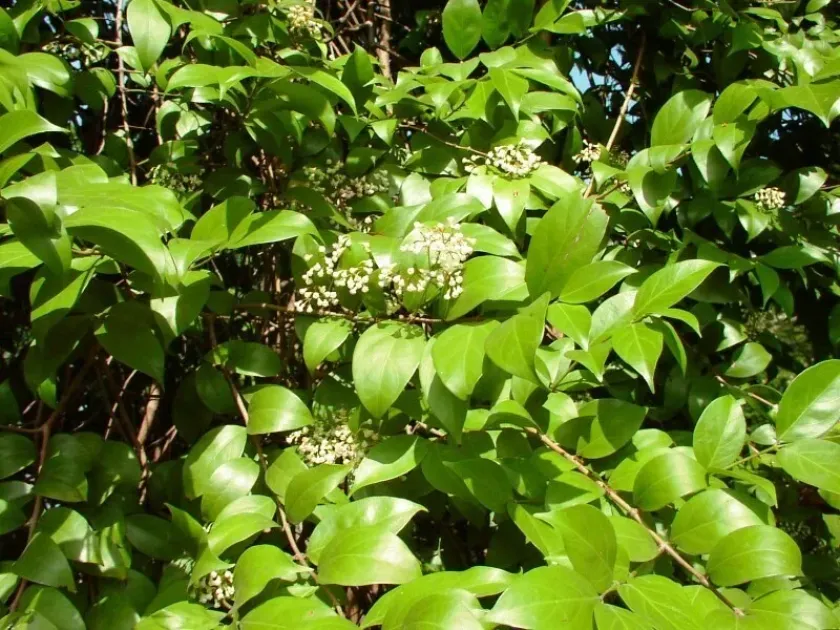
Description
Sowing dates
Propagation of this culture in natural habitats occurs primarily through seeds, though vegetative propagation via stem cuttings is common in controlled environments. Seeds are typically sown in a nutrient-rich substrate with high moisture levels.
The optimal time for the beginning of the growing season is during periods of consistently high temperatures. In controlled climate conditions, sowing can be performed year-round, provided the temperature remains between 22 and 25 degrees Celsius.
Successful germination requires a greenhouse-like environment with access to dappled sunlight. The soil must be loose, rich in organic matter, and maintain a neutral or slightly acidic pH level.
Cuttings are often preferred for cloning, as they allow for faster development of a mature plant. Rooting is conducted in sand-peat mixtures while ensuring stable humidity and avoiding direct exposure of young shoots to intense ultraviolet radiation.
Young seedlings require careful transplanting to their permanent location once they have established a robust root system and entered a phase of active growth.
Growing requirements
Urceola laevigata is a tropical woody vine belonging to the Apocynaceae family. High ambient temperatures and consistent humidity are critical factors for the healthy development of this plant species.
The natural range encompasses Southeast Asia, including Indochina and Malaysia. The species thrives in fertile, well-drained tropical forest soils that are rich in organic humus.
Light requirements fluctuate depending on the age of the plant: young specimens prefer partial shade, whereas mature individuals can tolerate brighter conditions, provided they receive sufficient water.
Although the plant enjoys moisture, it is sensitive to waterlogging. Therefore, soil must provide excellent drainage to prevent root rot and other moisture-related diseases of the root system.
Providing supports is an essential aspect of cultivation, as the vines require vertical structure to grow and reach the canopy layer, which is crucial for optimal light exposure in their native habitat.
Yield
The primary economic interest in this species lies in its milky sap (latex) contained within the bark and stems. Yield potential is directly related to the age of the vine, light availability, and planting density.
Industrial exploitation involves systematic tapping of the stems to extract rubber-bearing raw material. Most productive specimens are those aged 5 to 7 years that have been maintained under optimal conditions.
The total volume of raw material extracted depends heavily on the season; peak latex flow is observed during periods of high atmospheric humidity and stable warm temperatures.
Historically, the quality of the latex from Urceola laevigata has been valued for local production of flexible materials, seals, and various insulating coatings.
Extraction efficiency depends on the skill of the operator and the precision of the tapping technique, ensuring maximum latex yield without causing permanent physical damage to the plant's internal tissues.
Main diseases and pests
Like many tropical Apocynaceae species, this vine is susceptible to fungal infections that thrive in humid environments with poor air circulation.
Root rot remains the most significant threat, typically caused by inadequate drainage or the use of heavy, water-retaining soil substrates during the propagation phase.
Pest management focuses on controlling sucking insects, such as aphids and spider mites, which can proliferate rapidly in confined greenhouse settings or dense plantings.
Injuries to the stems caused by pests can serve as entry points for bacterial infections, which hinder growth and significantly decrease the plant's ability to produce latex.
Preventative measures include regular visual inspections of the stems, prompt pruning of affected parts, and ensuring proper airflow throughout the cultivated area.
Harvesting
Latex harvesting is performed by making careful spiral or vertical cuts on the bark of the vine. This process requires great caution to avoid damaging the cambium, which can result in the plant's mortality.
The raw latex is collected in specialized containers affixed beneath the tapping site. Maintaining a strict harvest schedule is essential to allow the plant sufficient time to replenish its sap reserves.
Harvest frequency is often adjusted based on weather patterns; during drier periods, the intensity of tapping is reduced to prevent over-exhaustion of the plant's vital resources.
Collected latex undergoes primary processing, including coagulation, removal of impurities, and drying to produce a stable and high-quality commercial product.
Tapping tools must be sharpened and sanitized regularly to minimize physical trauma to the plant and prevent the introduction of pathogens into the stem tissues.