
Trumpet vine
Campsis radicans (L.) Seem. ex Bureau
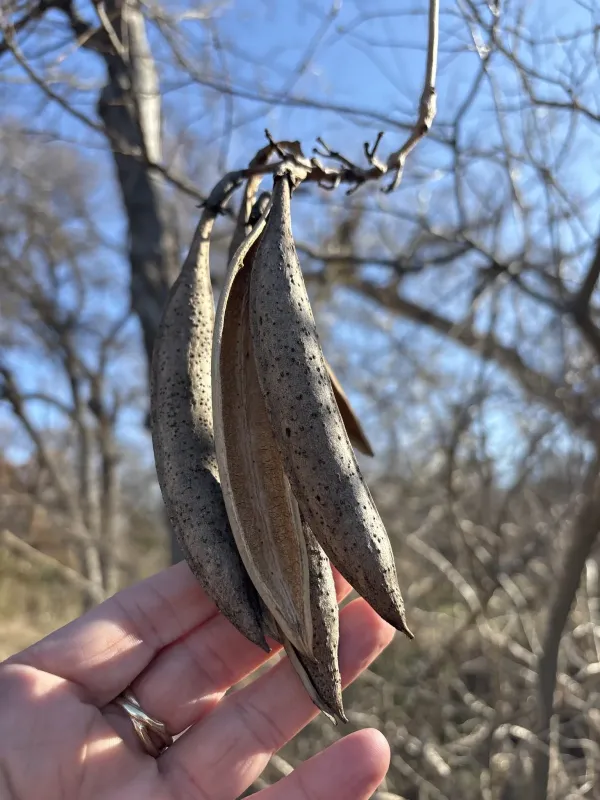
Description
Growing requirements
Trumpet vine (Campsis radicans) is a vigorous, perennial woody vine belonging to the Bignoniaceae family. Known for its spectacular orange-red, trumpet-shaped flowers, it is a popular choice for covering fences, arbors, and walls due to its rapid growth rate.
Native to the southeastern United States, this species has adapted to a wide range of environments. It is hardy in temperate zones and thrives in locations where it can access full sun, which is essential for maximizing flower production throughout the summer season.
The plant is not overly demanding regarding soil type, but it performs best in deep, fertile, and well-draining soils. While it exhibits moderate drought tolerance once established, consistent moisture during the growing season significantly improves the overall vigor and bloom quality.
Cultural management primarily revolves around structural control. Because it climbs via aerial rootlets, it can cause damage to mortar or wood if left unchecked. Pruning in late winter is necessary to keep the vine within its boundaries and to stimulate new growth for the coming season.
Propagation is typically achieved through hardwood cuttings, layering, or by removing suckers that naturally emerge from the root system. It is a resilient plant that requires minimal intervention once it has successfully established its root system in the landscape.
Main diseases and pests
Campsis radicans is generally considered a disease-resistant plant, though it can occasionally suffer from root rot if planted in waterlogged soil. Ensuring proper drainage is the most effective preventative measure against these types of soil-borne pathogens.
Aphids represent the most common pest challenge, often congregating on the tender tips of new foliage and buds. Regular monitoring during the spring allows for quick intervention with horticultural soaps or systemic insecticides to maintain the aesthetic appeal of the vine.