
Campsis x tagliabuana
Campsis x tagliabuana (Vis.) Rehder
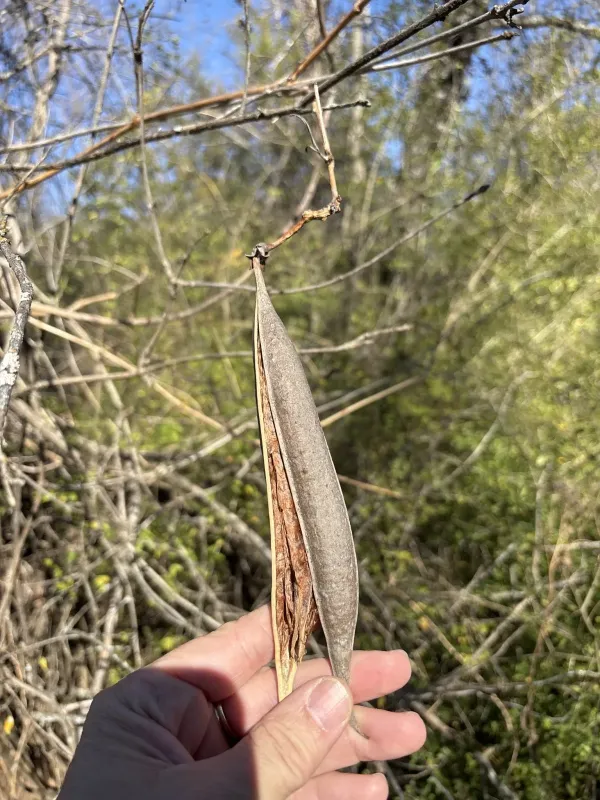
Description
Growing requirements
Campsis x tagliabuana is a stunning hybrid vine derived from Campsis radicans and Campsis grandiflora. Belonging to the Bignoniaceae family, this woody climber is prized for its spectacular, large, trumpet-shaped flowers that bloom throughout the summer.
This species thrives in warm, sunny environments. To ensure vigorous growth and abundant flowering, it is essential to plant it in a location that receives full sun for most of the day, preferably protected from cold, drying winds.
The plant is adaptable to various soil types but performs best in fertile, well-draining soils with a neutral or slightly acidic pH. While it is somewhat drought-tolerant once established, providing regular moisture during dry spells significantly improves overall plant health.
Cultural practices include structural support and regular pruning. Because the plant climbs using aerial rootlets, it requires a sturdy trellis, pergola, or fence to support its substantial weight as it matures over the growing seasons.
In landscaping, this climber is widely used for vertical gardening. It is excellent for screening unsightly walls, covering large arbors, and providing a focal point in expansive garden designs, adding an exotic look to any outdoor space.
Main diseases and pests
The most common pest affecting this ornamental vine is the aphid. These insects often cluster on the tender tips of new growth, causing leaf curling and reduced flower production. Regular monitoring during the spring is highly recommended.
While the plant is generally robust, it can be susceptible to fungal diseases if planted in overly shaded or poorly ventilated areas. Maintaining good spacing between plants and avoiding overhead irrigation can help mitigate the risk of disease development.