
Triticale
Triticosecale
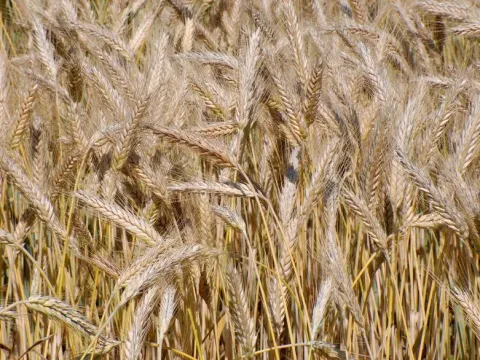
Triticale is the first human-made cereal crop, resulting from the crossbreeding of wheat (Triticum) and rye (Secale). Belonging to the Poaceae family, it combines the high yield potential and grain quality of wheat with the environmental hardiness and disease resistance of rye.
What the section contains

Triticale
Sowing dates depend on the specific variety, with winter triticale typically planted in the autumn, similar to winter wheat or rye. This allows for proper root development and winter hardening, which are essential for survival during cold weather.
Spring triticale varieties are sown as early as possible in the spring. Because the crop requires a long vegetative period and cool temperatures to maximize its biomass and grain development, early sowing is crucial to ensure high yields and avoid late-season heat stress.
Seeding rates are generally determined by the thousand-kernel weight and soil conditions, typically ranging from 4 to 6 million viable seeds per hectare. A proper seeding rate ensures optimal plant density, which helps suppress weeds and maximize light interception.
The seeds should be planted at a depth of 3–5 centimeters. On lighter, sandy soils, slightly deeper planting helps protect the crown from temperature fluctuations and ensures the seed reaches sufficient moisture for uniform germination.
Triticale is renowned for its high ecological plasticity, allowing it to thrive in diverse soil types. It performs exceptionally well on acidic, low-fertility, or sandy soils where traditional wheat varieties might struggle to produce a viable crop.
While the crop shows good drought tolerance due to its deep and extensive root system, it responds well to moisture during the stem elongation and heading stages. It is generally more resilient to environmental stress than its wheat parent.
The ideal soil pH for triticale is between 5.5 and 6.5, though it remains productive in more acidic soils. Proper soil drainage is important, as the crop does not tolerate long-term waterlogging, which can restrict root development and lead to nutrient deficiencies.
Agronomic management requires balanced fertilization. Nitrogen is particularly important for biomass accumulation, while phosphorus and potassium should be applied during the initial soil preparation to foster root strength and stalk integrity.
Triticale exhibits superior winter hardiness, making it an excellent choice for northern regions. It can survive harsh winters, provided there is a reasonable snow cover, which acts as insulation for the developing plants during the coldest months.
The yield potential of modern triticale varieties is high, often matching or exceeding that of wheat under favorable conditions, with averages frequently reaching 6–9 tons per hectare. Its high biomass production makes it a favorite for dual-purpose usage.
Maximizing yield requires intensive crop management, including the use of growth regulators. Because some varieties grow quite tall, applying regulators helps prevent lodging, ensuring that the stalks remain upright until harvest time, which is critical for yield recovery.
Crop rotation is essential for maintaining productivity. Triticale performs best when following pulses or grasses, which improve soil nitrogen levels and disrupt the pest and disease cycles that are common in continuous cereal cropping systems.
Triticale is highly valued for animal feed, as its grain contains a favorable profile of protein and essential amino acids. It is widely used for cattle, poultry, and swine feed, providing an energy-dense option that supports livestock health and weight gain.
Beyond grain production, triticale is frequently harvested as green forage, silage, or haylage. Its high vegetative yield and palatability make it a reliable choice for dairy and beef operations seeking high-quality roughage throughout the growing season.
Fungal diseases are the primary threats to triticale crops. Fusarium head blight can severely impact both yield and grain safety, as it often leads to the production of harmful mycotoxins, making the grain unsuitable for certain animal diets.
Rust diseases, such as leaf rust and stem rust, can spread rapidly under humid conditions, significantly reducing the photosynthetic capacity of the leaves. Powdery mildew is also a common issue, particularly in dense, high-nitrogen stands.
Pest pressures include cereal flies and shield bugs, which can damage plants at different growth stages. Shield bugs, in particular, can degrade grain quality by affecting the protein structure, which is detrimental for both feed and flour quality.
An integrated pest management (IPM) strategy is essential. This includes seed treatments to prevent early-season infections, timely fungicide applications based on weather patterns, and the selection of disease-resistant varieties as a primary defense measure.
Good field hygiene, including the removal of crop residues and the practice of diverse crop rotation, helps keep pathogen levels low. Careful monitoring throughout the spring and summer allows for precise intervention when pest thresholds are reached.
Harvesting should occur when the grain reaches full maturity, with moisture content typically dropping to 14–16%. Direct combining is the standard practice, as it is efficient and minimizes the time the crop spends exposed to potential weather risks.
Timely harvest is critical to avoid grain shedding or pre-harvest sprouting if rainy weather occurs. Because the harvest window is relatively narrow, farmers must ensure that their machinery is serviced and ready to operate as soon as the grain is dry.
If the crop shows uneven ripening or high weed pressure, swathing (two-stage harvesting) can be beneficial. Cutting the crop into windrows allows it to dry uniformly, which can facilitate a more efficient threshing process later on.
When setting up the combine, operators must adjust the drum speed and concave settings carefully. Because triticale kernels are often larger and more elongated than wheat, incorrect settings can lead to cracked grains or inefficient threshing, reducing quality.
Post-harvest handling requires immediate cleaning and drying of the grain. Storing the crop in aerated, dry silos helps prevent heating and moisture accumulation, ensuring that the stored grain maintains its nutritional integrity for feed or industrial use.