
Triticale
Triticosecale rimpaui
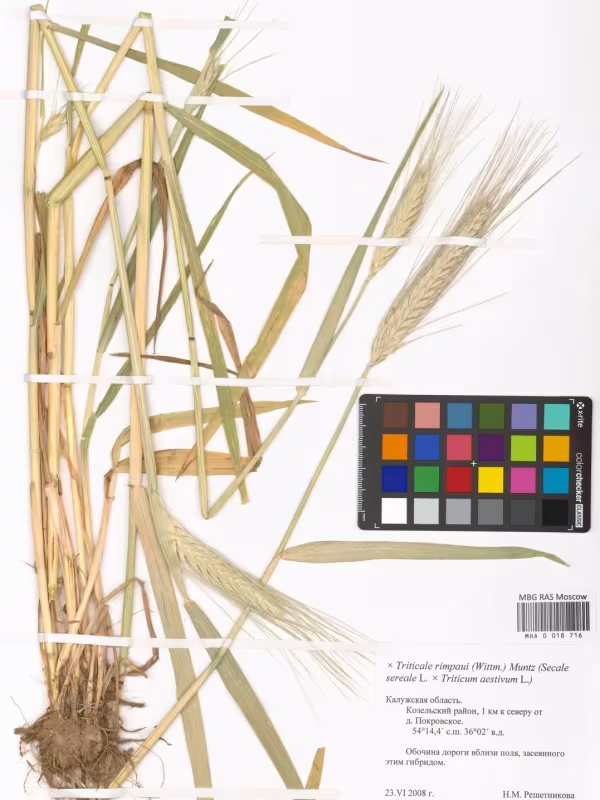
Description
Sowing dates
Triticale is a highly productive cereal crop of the Poaceae family, known as an amphidiploid hybrid of wheat and rye. Early breeding efforts by Wilhelm Rimpau enabled the combination of the hardy qualities of rye with the high grain quality of wheat.
Sowing dates for triticale depend on the biological type, whether winter or spring. Winter varieties are typically sown during the same window as rye or winter wheat, allowing sufficient time for tillering before the onset of winter frost.
The optimal time for planting winter triticale is usually in September, which facilitates the development of a robust root system. Spring varieties should be planted as early as the soil becomes workable to maximize the vegetative growth period.
The seeding rate is determined by the thousand-kernel weight and specific cultivar traits. Generally, the rate ranges from 4 to 5.5 million viable seeds per hectare to ensure the desired plant population density.
Sowing depth is adjusted based on soil texture and moisture. In lighter soils, seeds are planted deeper, while in heavy, clay-rich soils, a shallower depth of 3–5 centimeters is preferred to ensure uniform emergence.
Growing requirements
Triticale is characterized by high adaptability, thriving in poor, acidic, and sandy soils where other wheat varieties might struggle. It maintains high productivity even under conditions with low soil pH.
The crop requires adequate moisture, especially during the stem elongation and heading stages. Its exceptional cold tolerance makes it a reliable choice for regions with harsh winter conditions, reducing the risk of frost damage.
To achieve high yields, triticale requires balanced fertilization, particularly nitrogen top-dressing in early spring. Due to its high biomass potential, its demand for nutrients is higher than that of traditional rye cultivars.
Crop rotation practices play a crucial role in the successful management of triticale. Excellent preceding crops include legumes, potatoes, and perennial grasses, which improve soil structure and fertility.
Triticale serves various agricultural purposes: its grain is a high-quality component in livestock feed due to its protein and lysine content, while it is also increasingly used in the baking and ethanol industries.
Yield
The yield potential of triticale often exceeds that of rye and competes effectively with top-performing winter wheat varieties. With intensive management, the crop can consistently produce high grain yields.
Average yields in favorable conditions typically range from 5 to 8 tonnes per hectare. Timely agronomic intervention and effective weed control are essential factors in reaching the full genetic potential of the crop.
Maintaining optimal canopy density is critical for yield. Growth regulators are frequently applied to prevent lodging in tall varieties, ensuring the crop remains upright through harvest for maximum productivity.
Factors limiting yields include lodging from excessive nitrogen application and unfavorable weather conditions during grain filling, which can lead to sprouting in the ear if harvest is delayed.
Agronomists monitor yield structure by assessing grains per ear and thousand-kernel weight. This data helps in forecasting total production and adjusting management strategies for future growing seasons.
Main diseases and pests
Although triticale possesses complex resistance to many cereal diseases, it remains susceptible to powdery mildew and brown rust. High-moisture conditions increase the risk of Fusarium head blight.
Common pests affecting the crop include cereal beetles, grain flies, and various moths. Preventive measures, including fungicide and insecticide applications, are standard in commercial production to manage these threats.
- Fusarium head blight (reduces quality and risks mycotoxin accumulation).
- Powdery mildew (damages foliage and reduces photosynthetic area).
- Cereal aphids (suck plant sap, leading to stunted growth).
To reduce chemical reliance, selecting resistant cultivars is recommended. Monitoring economic thresholds for pests allows producers to make evidence-based decisions regarding insecticide application.
Strict quarantine measures and high-quality seed treatment with fungicides before planting are vital to minimizing the infectious background and preventing the spread of root rot diseases.
Harvesting
Harvesting is typically performed using direct combining once the crop reaches full maturity. Because triticale is susceptible to shattering, it is crucial to complete harvest promptly once grain moisture drops to 14–16%.
In cases of uneven ripening or high weed pressure, swathing may be used as a secondary method. This allows the grain to dry down uniformly in the windrow, preserving its processing and seed quality.
Combines must be carefully adjusted, considering the specific architecture of the triticale ear to avoid mechanical damage to the grains. Fine-tuning drum speed and concave clearance significantly reduces micro-fractures.
Post-harvest processing involves cleaning impurities and drying to standard moisture levels. Proper storage is essential to prevent mold growth and protect the grain from stored-product pests.
Agronomic oversight during the harvest includes measuring header losses. Optimizing the performance of harvesting equipment ensures that the maximum amount of grain is collected, directly impacting profitability.