
Trisetaria panicea
Trisetaria panicea
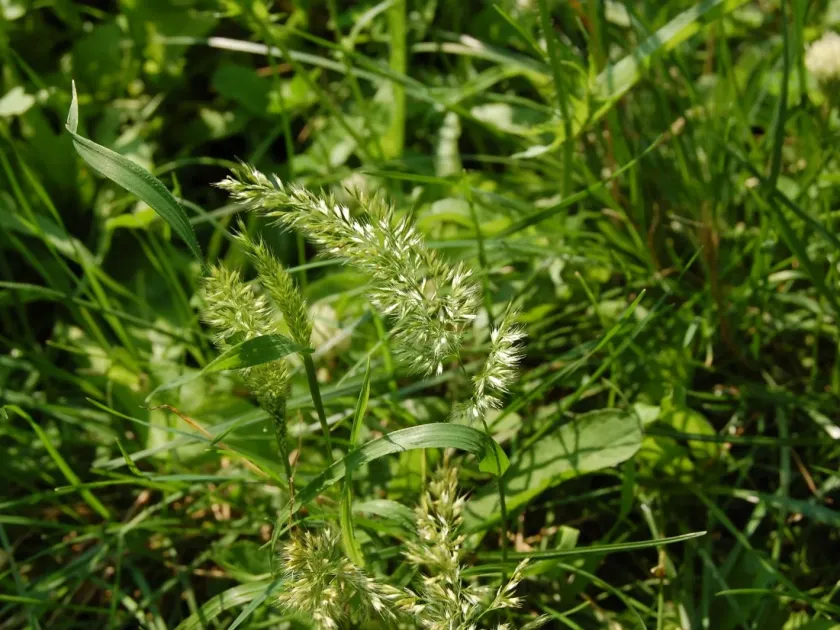
Description
Growing requirements
Trisetaria panicea is an annual herbaceous plant belonging to the grass family (Poaceae). It is primarily found in Mediterranean climates, where it has adapted to survive in challenging, arid environmental conditions.
The plant thrives in well-drained, stony, or sandy soils. It is notably resilient to water scarcity and can sustain growth in areas with high levels of direct solar radiation, which would typically be detrimental to more sensitive crops.
Ideal conditions for cultivation involve a moderately warm spring season followed by a dry, hot summer. It is essential to avoid waterlogged soil conditions, as the plant's root system is susceptible to decay when exposed to excess moisture.
Botanically, the plant is characterized by its distinct, panicle-like inflorescences that resemble millet. The culms are typically slender and upright, often reaching modest heights, contributing to the vegetation cover in its native Mediterranean habitats.
In terms of agricultural utility, Trisetaria panicea is valued as a component of natural pasturelands. It serves as a reliable forage source for grazing livestock, particularly in regions where environmental stresses limit the viability of more conventional forage crops.