
Trisetaria ovata
Trisetaria ovata
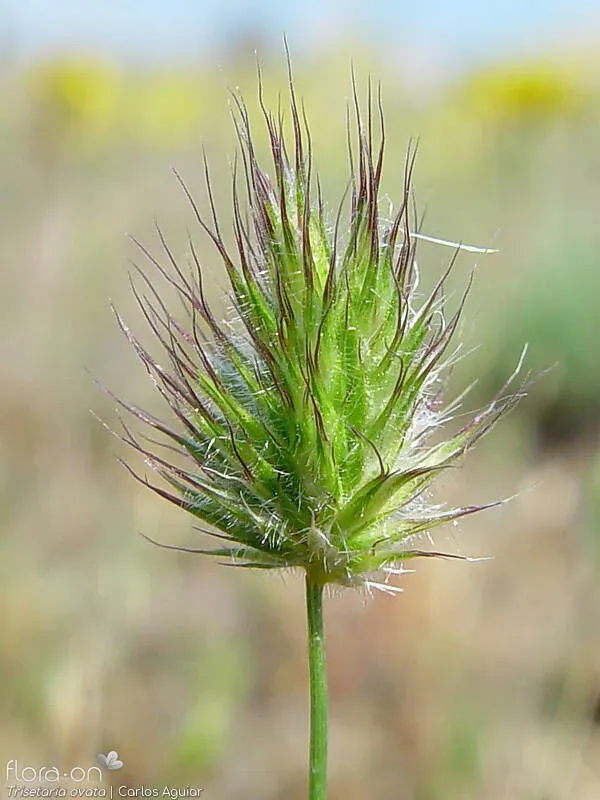
Description
Sowing dates
The sowing of Trisetaria ovata is typically scheduled for early spring, allowing the seeds to benefit from the moisture accumulated in the soil during the winter season.
Optimal germination occurs when soil temperatures reach approximately 10 degrees Celsius, which is crucial for establishing a uniform and healthy plant population across the field.
Precision seeding equipment is recommended to maintain the correct depth of about 1–2 centimeters, ensuring that seedlings emerge without struggling against excessive soil coverage.
Depending on the specific farming objectives, sowing rates can be adjusted to either maximize forage production or to encourage a higher seed yield through wider spacing.
Early sowing in favorable climatic zones helps the plants establish deep root systems before the onset of the summer heat, increasing overall drought resistance.
Growing requirements
Trisetaria ovata belongs to the Poaceae family and is recognized for its significant adaptability to arid and rocky soils found in its native Mediterranean distribution range.
The plant thrives in well-drained, lime-rich environments and is highly sensitive to waterlogging, which can cause rapid deterioration of the root structure and overall yield loss.
Full solar exposure is a fundamental requirement; the species does not perform well in shaded areas, as light intensity is vital for the development of its distinctive ovate inflorescences.
While the plant is naturally adapted to survive periods of water scarcity, supplemental irrigation during the most active growth stages can substantially enhance biomass production.
Balanced soil fertilization, particularly with moderate amounts of nitrogen during the tillering phase, supports vigorous stalk development and improves the nutritional value of the harvest.
Main diseases and pests
Fungal pathogens such as rusts and powdery mildew represent the primary biological threats to this crop, especially in seasons characterized by high humidity and poor air circulation.
Pest populations, including aphids and cereal flies, can significantly impact young crops by damaging delicate leaf tissues and potentially transmitting viral diseases.
Effective weed control is essential during the early weeks after emergence, as the plant initially grows relatively slowly and struggles to compete with faster-growing invasive species.
Root rots caused by soil-borne pathogens can be mitigated through proper crop rotation practices, ensuring that the field is not repeatedly used for the same grass species.
Integrated pest management strategies are recommended to reduce the reliance on chemical inputs and to maintain a healthy ecosystem within the agricultural landscape.
Harvesting
For high-quality forage, the harvest should be timed precisely at the early heading stage, when the nutrient profile is at its peak and the stalks remain tender.
If the goal is hay production, cutting the crop at full flowering ensures a balance between sufficient vegetative mass and high fiber content for livestock dietary needs.
Modern mechanical harvesting tools, such as mower-conditioners, are highly recommended to accelerate the drying process and prevent the degradation of nutrients due to prolonged field exposure.
When harvesting for seed production, growers should wait until the inflorescences are fully mature and turn a distinct golden hue to ensure high germination rates for the following season.
Proper post-harvest management, including thorough cleaning and moisture regulation, is essential to store the seeds safely without the risk of mold or loss of biological viability.