
Trisetaria loeflingiana
Trisetaria loeflingiana
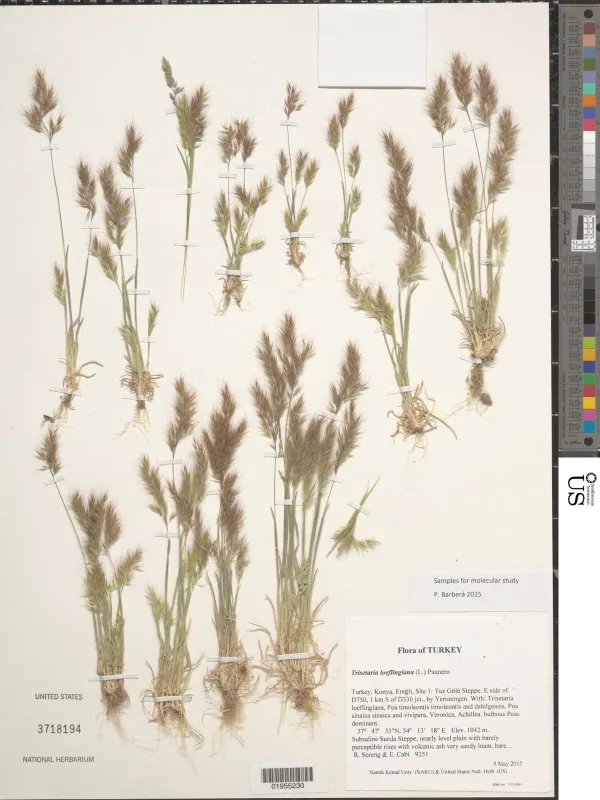
Description
Growing requirements
Trisetaria loeflingiana is an annual grass species belonging to the Poaceae family. Native to the Mediterranean region, this plant has adapted to survive in environments characterized by long periods of drought and high solar radiation.
The crop thrives in well-drained soils, typically preferring sandy or rocky substrates. It does not require intensive irrigation, as it is physiologically equipped to manage water stress efficiently, making it a valuable candidate for dryland farming systems.
Temperature requirements for this species are centered around mild spring weather for vegetative growth. As temperatures rise, the plant matures quickly, focusing energy on seed production before the onset of the peak summer heat.
Agricultural management should focus on maintaining a balanced soil nutrient profile, although the species is generally resilient to nutrient-poor conditions. Proper spatial distribution in the field ensures that individual plants have sufficient access to light and soil resources.
In terms of usage, Trisetaria loeflingiana acts as an important forage crop for livestock. Its ability to produce biomass in areas where other more demanding grasses fail makes it a reliable component of pastoral management in Mediterranean climates.
Main diseases and pests
Common fungal diseases, particularly leaf rust, can affect the crop when environmental conditions become overly humid. This is more prevalent in poorly aerated field stands where airflow is restricted, leading to high humidity near the soil surface.
Insect pests, such as aphids and various larvae of soil-dwelling beetles, pose a direct threat to the biomass production. Monitoring the density of these pests is essential to prevent significant economic damage to the grassland.
Preventive agricultural practices, such as rotational grazing, are fundamental in controlling threats. By managing the intensity of land use, farmers can ensure that the grass maintains enough vigor to defend against opportunistic pathogens.
Integrated pest management strategies are advised, prioritizing biological controls over synthetic chemical interventions. This approach helps maintain the sustainability of the pasture ecosystem over the long term.
Regular field scouting for symptoms of infestation is recommended during the peak growing season. Early detection allows for targeted interventions, minimizing the need for broad-spectrum pesticides and ensuring livestock safety.