
Tripogon minimus
Tripogon minimus
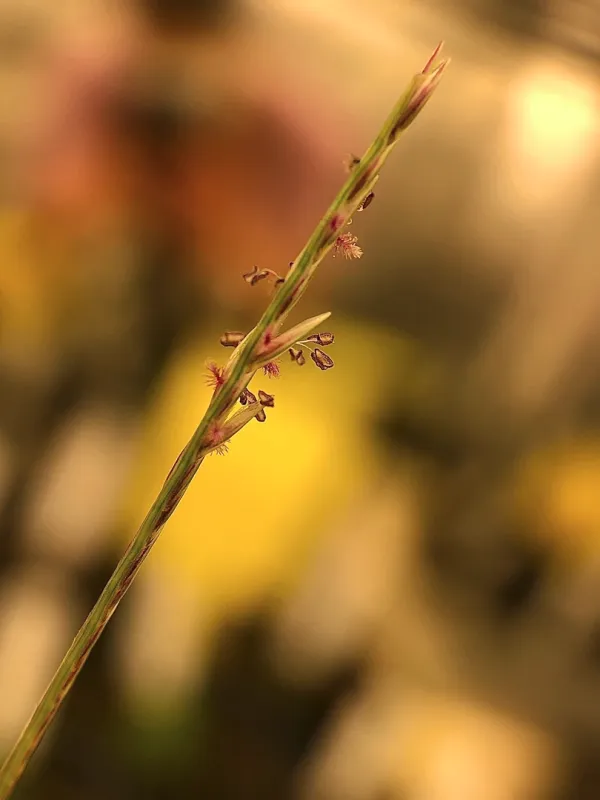
Description
Growing requirements
Tripogon minimus is a perennial grass species belonging to the Poaceae family, recognized for its exceptional resilience in challenging environments. This plant is primarily identified as a naturalized component of arid and semi-arid grasslands used for grazing livestock.
Botanically, it displays a tufted growth habit with narrow, filiform leaves designed to minimize water loss. The root system is highly efficient at extracting moisture from rocky or sandy substrates where traditional forage crops would fail to establish.
The climate requirements of this culture are centered on high light intensity and thermal stability. It thrives in regions with sparse rainfall, effectively utilizing limited water resources through metabolic pathways optimized for drought tolerance.
Soil preferences involve well-drained, nutrient-poor textures such as gravelly, sandy, or rocky loams. Drainage is the most critical factor; waterlogging or stagnant water in the root zone can cause rapid decay and plant death.
In terms of agricultural utility, Tripogon minimus serves as a stable, albeit low-yielding, forage source. Its primary value lies in its ability to remain palatable and nutritious under severe environmental stress, supporting pastoral livelihoods in arid areas.
Main diseases and pests
The primary pathological threats to this grass are fungal infections, particularly rust diseases that occur during uncharacteristic rainy periods. These pathogens thrive on leaf surfaces when ambient humidity levels remain consistently high.
Pest pressures are predominantly linked to orthopteran insects, which are known to graze aggressively on natural grasslands. These pests can rapidly defoliate populations, especially in years where natural vegetation is sparse.
Subterranean pests, including root-feeding larvae, pose a silent threat by compromising the plant's ability to anchor itself and absorb water. These attacks are most significant during the early growth stages of the plant lifecycle.
Competition from woody encroachment is a long-term threat to pasture health. As shrubs colonize areas, they shade out smaller grasses like Tripogon minimus, reducing the total available grazing area for livestock.
Effective management against threats involves monitoring grazing density to ensure the root system is not exhausted. Sustainable rotation ensures that the grass has periods to recover, which strengthens its natural defenses against opportunistic pests and diseases.