
Tripogon longe-aristatus
Tripogon longe-aristatus
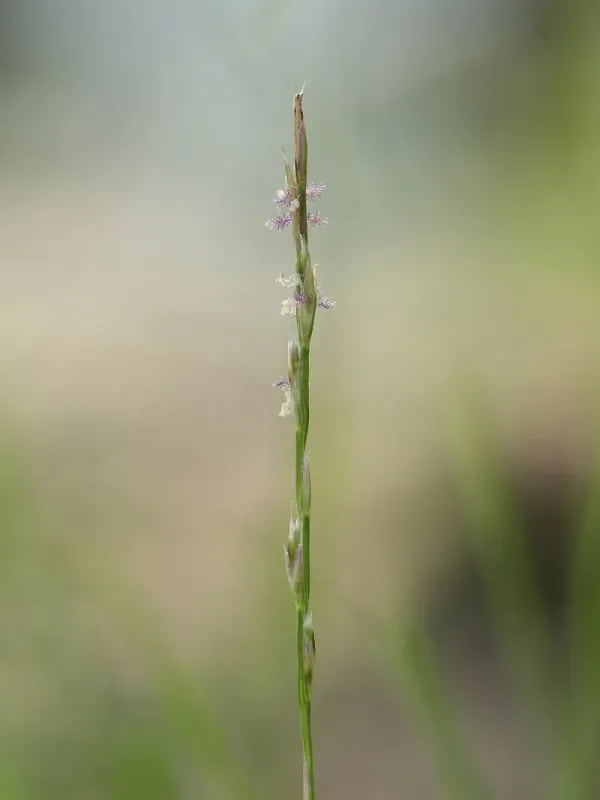
Description
Sowing dates
Tripogon longe-aristatus is a perennial grass species within the Poaceae family, recognized for its resilience and adaptability to challenging environments.
Sowing should ideally occur in early spring, once soil temperatures allow for consistent germination, ensuring the seeds are placed in a well-prepared seedbed.
Due to the small size of the seeds, surface broadcasting or shallow drilling at a depth of less than 2 cm is required to ensure optimal establishment.
Effective stand establishment relies on maintaining adequate soil-to-seed contact during the initial growth stages, which can be achieved through light rolling.
Seed rates must be carefully calibrated to avoid overcrowding, as this species develops extensive root systems that require sufficient space for mature growth.
Growing requirements
The plant thrives in well-drained, stony, or sandy soils, reflecting its evolutionary heritage in mountainous and arid regions of Asia.
It displays remarkable drought tolerance, allowing it to maintain metabolic activity when other forage crops typically enter dormancy due to water stress.
Full sun exposure is critical for the development of Tripogon longe-aristatus, as it is highly sensitive to shading, which significantly reduces biomass yield.
Soil nutrient requirements are relatively low compared to intensive cereal crops, making it an excellent choice for marginal land reclamation and soil stabilization.
While the plant tolerates poor soil, moderate additions of phosphorus during establishment can significantly enhance root development and long-term viability.
Yield
The primary agricultural application of this species is as a pasture-based forage crop in areas with low rainfall or degraded soil conditions.
Nutritional value peaks before anthesis, providing essential nutrients for livestock and helping to stabilize the carrying capacity of marginal grazing lands.
Sustainable yield management involves rotational grazing strategies that provide the plant with necessary recovery periods after defoliation.
By integrating this species into pasture mixtures, farmers can ensure a consistent ground cover that prevents erosion and maintains soil structure over many years.
Yield outputs are highly resilient to climate variability, providing a stable biomass source in regions where traditional forage crops frequently fail.
Main diseases and pests
This grass species is generally robust and exhibits high resistance to many conventional fungal pathogens that typically plague more intensive cereal grasses.
Excessive soil moisture is the primary physiological threat, as stagnant water can lead to crown rot and poor oxygenation of the root zone.
Pest management should focus on early-season monitoring for aphids and other sucking insects that may impact the vigor of young emerging tillers.
Strategic field sanitation and the removal of adjacent weed reservoirs remain the most effective methods for managing potential pest populations.
Chemical intervention is rarely required, provided that appropriate agronomic practices such as correct sowing depths and drainage management are strictly followed.