
Tripogon loliiformis
Tripogon loliiformis
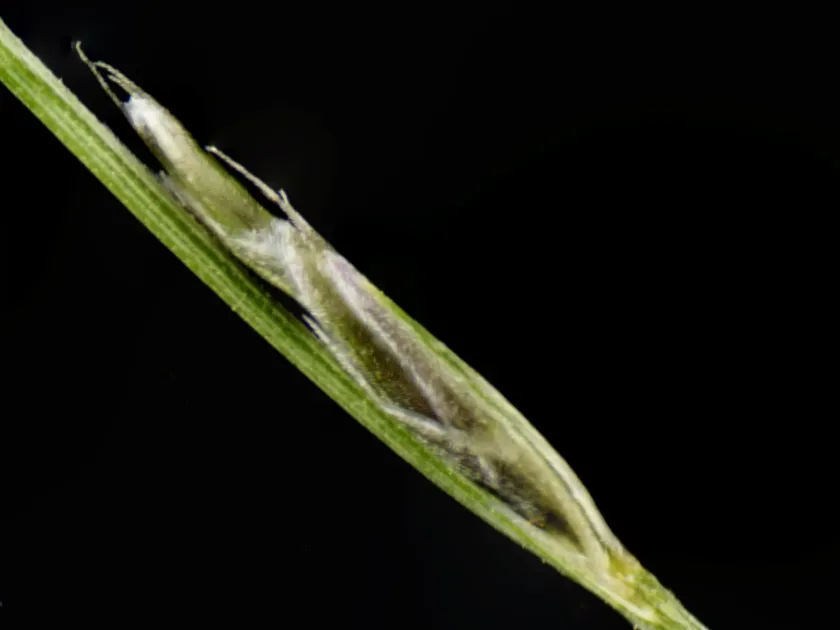
Description
Growing requirements
Tripogon loliiformis is a perennial grass species belonging to the Poaceae family. It is widely recognized in botanical circles for its exceptional desiccation tolerance, allowing the plant to enter a state of dormancy during prolonged drought and recover rapidly upon rehydration.
The native range of this species is primarily concentrated in the arid and semi-arid regions of Australia. The plant has evolved to thrive in environments where traditional agricultural crops fail due to harsh climatic conditions and lack of regular rainfall.
Botanically, the plant grows in dense tufts with narrow, rolled leaves that are adapted to minimize water loss. The root architecture is efficient at stabilizing the plant in thin, rocky, or sandy soils, which are typical of its natural habitat.
The crop requires full sun exposure and is highly tolerant to heat stress. It is not traditionally cultivated as a staple crop, but rather studied for its physiological mechanisms that allow it to survive in nutrient-poor environments with minimal agricultural inputs.
In terms of agricultural application, Tripogon loliiformis is of high interest for breeding programs aiming to develop drought-resistant cultivars. It serves as an essential genetic resource for stabilizing soils in dry regions and preventing desertification in vulnerable landscapes.