
Trigonella corniculata
Trigonella corniculata (L.) L.
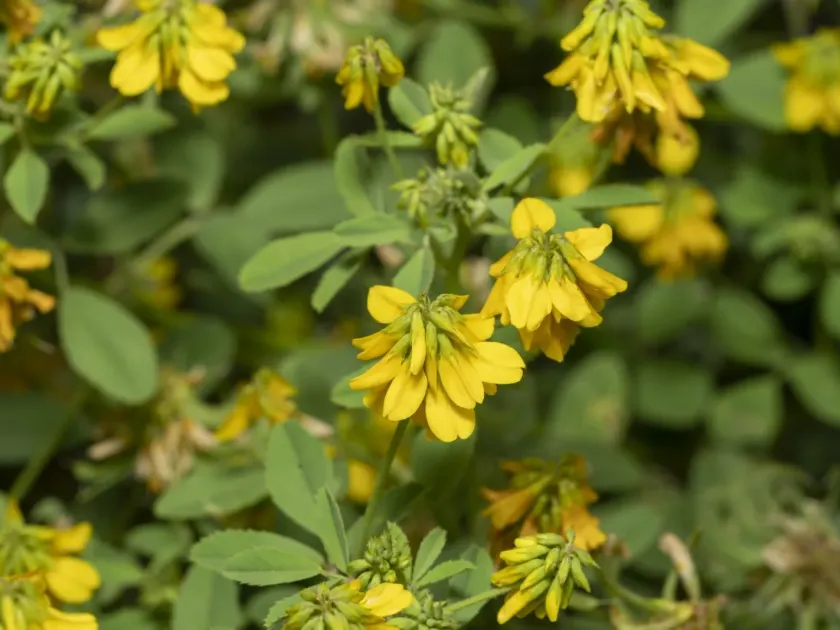
Description
Sowing dates
Trigonella corniculata is a heat-loving crop, making late spring the ideal time for sowing once the soil temperature consistently reaches 12-15 degrees Celsius.
In temperate climates, the optimal sowing window is typically between late April and early May, which helps avoid the risk of late frosts damaging young seedlings.
Seeds should be sown in rows spaced 20-30 cm apart, with a planting depth of 2-3 cm to ensure they remain moist while germinating in the soil.
The recommended seeding rate is approximately 15-20 kg per hectare for leafy greens production and slightly lower for those focused on seed harvesting.
Proper seedbed preparation is critical; the soil must be well-tilled to eliminate weeds and provide a firm, even surface that promotes uniform emergence of the crop.
Growing requirements
Belonging to the Fabaceae family, this plant thrives best in well-drained loamy or sandy soils with a neutral pH, preferring high fertility for maximum growth.
Trigonella corniculata requires significant sunlight; shade or overcrowding will significantly reduce biomass production and the concentration of essential aromatic oils.
While the plant shows moderate drought tolerance, consistent moisture is necessary during the vegetative and flowering stages to maintain high quality and vigor.
Ideal growth temperatures range from 18 to 25 degrees Celsius, while extreme heat exceeding 30 degrees requires supplementary irrigation to prevent stunted development.
Good agricultural practices include regular inter-row cultivation to suppress weed competition and the application of phosphorus and potassium fertilizers to boost yield.
Yield
Under optimal management, the yield of green biomass for this crop typically ranges from 15 to 25 metric tons per hectare, depending on local soil conditions.
Farmers focused on seed production can expect yields between 0.8 and 1.5 metric tons per hectare, assuming good weather and efficient harvesting techniques.
Productivity is largely dictated by plant density and the availability of water, meaning that irrigation systems are highly beneficial in areas with erratic rainfall.
Regular fertilization, particularly with balanced NPK inputs, can significantly increase the total biomass produced, provided soil nitrogen levels are not excessive.
Strategic timing of harvest is crucial for maintaining the quality of the product, as the plants can quickly become woody if left to grow beyond the ideal window.
Main diseases and pests
Powdery mildew is the most common fungal disease affecting this crop, particularly in high-humidity environments where it forms a white coating on the leaves.
Root rot caused by poor soil drainage can severely impact stands, especially in heavy soils where water tends to accumulate for extended periods during rainy spells.
Pests such as aphids and weevils pose a significant threat to young plants, potentially causing deformation of the leaves and loss of overall photosynthetic area.
Spider mites are frequently encountered during hot and dry conditions, requiring proactive monitoring to ensure they do not cause premature yellowing of the foliage.
Management involves rigorous crop rotation, avoiding planting legumes on the same site for several years, and using treated seeds to prevent soil-borne pathogens.
Harvesting
Harvesting for fresh greens should occur during the early flowering phase to ensure the leaves possess the most potent flavor and aromatic profile.
Seed harvesting should be timed for when the pods reach a straw-yellow color, signaling that the seeds have reached physiological maturity within the protective pods.
Care must be taken during the harvesting process, as mature pods are prone to shattering, which can lead to substantial losses if the crop is handled too roughly.
Once harvested, the plant material must be dried properly in a well-ventilated area to prevent mold growth and ensure the stability of the final product.
After threshing, the seeds should be cleaned of chaff and stored in cool, dry conditions with a moisture content not exceeding 12-14% for optimal longevity.