
Fenugreek
Trigonella foenum-graecum L.
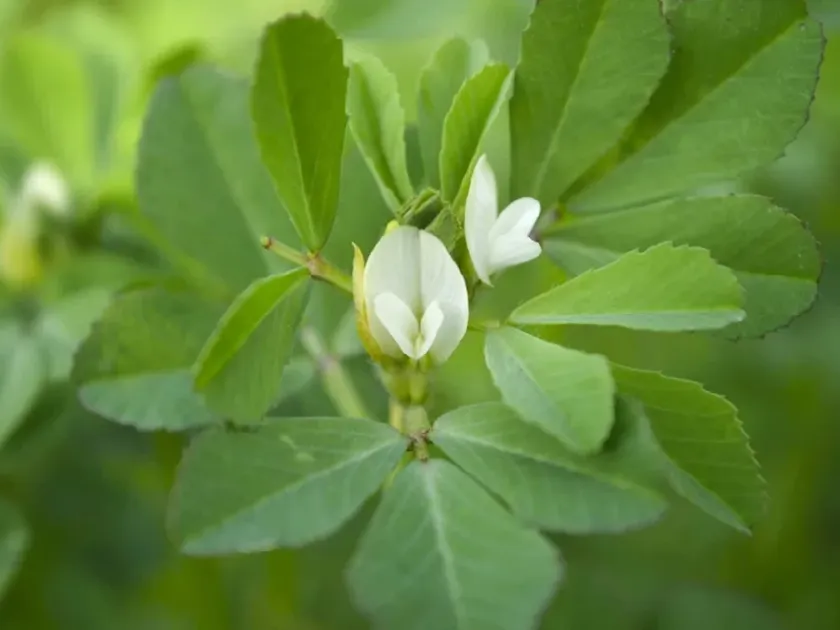
Description
Sowing dates
Fenugreek is an annual legume that thrives in temperate climates. Sowing should commence in early spring as soon as the soil is workable and has reached a temperature of at least 10–12 degrees Celsius.
The seeds should be sown at a depth of 2–3 centimeters. Proper seedbed preparation is essential to ensure uniform germination and to provide the developing root system with optimal access to soil nutrients and moisture.
Row spacing is typically set at 20–30 centimeters to facilitate mechanical weed control and promote better air circulation within the canopy. This spacing is crucial for reducing the risk of fungal diseases.
The seeding rate varies depending on the purpose of the crop; for grain production, approximately 15–20 kilograms of seeds per hectare is sufficient. Higher rates may increase competition for light and water.
Effective weed management during the seedling stage is vital, as fenugreek grows relatively slowly during its first weeks. Pre-emergence cultivation can significantly reduce weed pressure and improve final yield.
Growing requirements
Fenugreek prefers well-drained, fertile loamy or sandy soils. It is highly sensitive to waterlogged conditions, which can lead to root rot and other physiological disorders, drastically reducing crop viability.
This crop is heliophilic, meaning it requires full sunlight to achieve maximum photosynthetic efficiency. Even partial shading during the vegetative stage can lead to spindly stems and reduced seed formation.
While fenugreek shows moderate drought tolerance, adequate moisture during the flowering and pod-filling stages is critical for achieving a high yield. Irregular water availability can cause flower drop.
The optimal temperature range for growth is 18–25 degrees Celsius. Extreme heat, particularly during reproductive stages, may negatively impact the pollination process and lower overall crop quality.
Fenugreek is a nitrogen-fixing legume that benefits from the presence of specific soil bacteria. In fertile soils, minimal nitrogen fertilization is required, as excessive nitrogen can promote foliage growth at the expense of seeds.
Yield
The grain yield of fenugreek typically ranges from 10 to 20 quintals per hectare. Under favorable climatic conditions and advanced agronomic practices, yields can reach 25 quintals or more per hectare.
When grown for green manure or forage, the yield of fresh biomass can exceed 150–200 quintals per hectare. Harvest for these purposes is timed to occur during the peak of the flowering stage.
Yield stability is heavily dependent on maintaining a weed-free environment and ensuring optimal plant density. Proper management of soil fertility also plays a key role in achieving consistent harvest results.
Pollination success, aided by local bee populations, significantly influences the number of seeds per pod. Creating a pollinator-friendly environment near the fields can enhance the overall productivity of the crop.
After harvest, grain must be dried to a moisture content of approximately 12 percent to prevent microbial contamination and spoilage during storage. Proper drying ensures the preservation of essential oils.
Main diseases and pests
Fungal diseases, specifically powdery mildew and root rot, are the most significant threats to fenugreek cultivation. These are often exacerbated by high humidity levels and dense plant spacing in the field.
Insect pests such as aphids and weevils can cause substantial damage to both leaves and pods. Regular field scouting is necessary to detect outbreaks early and prevent severe damage to the harvest.
Crop rotation is a fundamental practice to break the life cycles of soil-borne pathogens. Avoiding legume-heavy rotations helps maintain soil health and reduces the need for chemical intervention.
Integrated pest management strategies should focus on using biological controls and resistant varieties where possible. This is particularly important for crops intended for human consumption or medicinal use.
- Monitor fields for early signs of disease infestation.
- Avoid over-fertilization with nitrogenous compounds.
- Use certified seeds to ensure genetic purity and health.
Harvesting
The harvest for grain production should take place when the pods turn yellow or brown, indicating that the seeds have hardened. Early harvesting can result in shriveled seeds with lower viability.
A two-step harvesting method is common: mowing the plants into swaths followed by a mechanical threshing process. This technique helps reduce shatter losses, as the pods are prone to opening if left too long.
When harvesting for aromatic herb use, the plants are cut during the early flowering phase. This timing ensures the highest concentration of volatile compounds, which are essential for the crop's characteristic aroma.
Post-harvest processing involves cleaning the seeds of all chaff and debris. Mechanical cleaning equipment is effective at removing impurities, ensuring that the final product meets market standards.
The harvested product should be stored in cool, dry, and well-ventilated areas. Maintaining these storage conditions protects the fenugreek from moisture-related spoilage and preserves its high medicinal value.