
Blue fenugreek
Trigonella caerulea (L.) Ser.
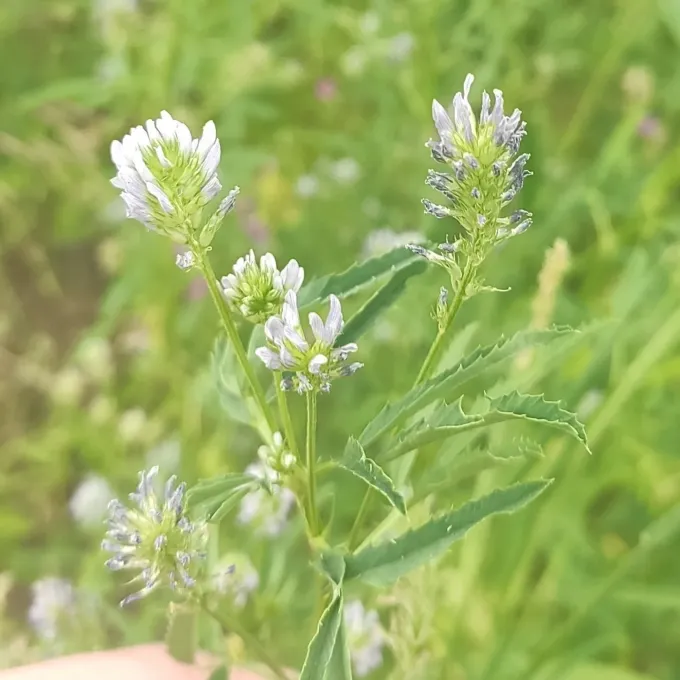
Description
Sowing dates
Blue fenugreek is a cold-hardy annual herb that thrives in temperate climates. Sowing is best initiated in early spring as soon as the soil reaches a temperature of 5–8°C, typically from late April to early May.
Seeds should be sown in rows spaced 20–30 cm apart, at a shallow depth of 1.5–2 cm. Proper soil contact is essential for uniform germination, and rolling the soil after sowing can significantly enhance results.
The seeding rate is usually between 10–12 kg per hectare, depending on row spacing. It is crucial to maintain optimal density; overcrowded plants may suffer from poor air circulation, leading to susceptibility to diseases.
In regions with mild winters, autumn sowing can be practiced to achieve earlier spring growth. However, this method requires careful monitoring of seedling survival during hard frosts without snow cover.
Thinning the seedlings once they develop 2–3 true leaves is a vital step. Keeping a distance of approximately 10 cm between plants allows each specimen to develop fully and produce higher quality aromatic biomass.
Growing requirements
This crop prefers well-lit, sunny areas. Sufficient sunlight is critical for the development of essential oils, which define the plant's unique culinary and medicinal properties. Shady conditions will significantly decrease the quality of the yield.
The plant grows best in light, sandy loam, or loamy soils with a neutral pH. While it is adaptable, heavy and waterlogged soils should be avoided as they inhibit root development and promote fungal growth.
Blue fenugreek is frost-resistant, capable of withstanding temperatures as low as -5°C during the seedling stage. Nonetheless, stable moderate temperatures during the vegetative phase lead to more uniform growth.
Moderate irrigation is required, especially during the early stages of growth and the budding phase. During the final maturation phase, drier conditions are preferred to prevent premature spoilage of the seeds.
Soil management through inter-row cultivation is highly recommended to suppress weeds and improve oxygen circulation in the rhizosphere. This practice helps ensure the plants do not compete with weeds for essential nutrients.
Yield
The yield of green biomass typically ranges from 150 to 250 centners per hectare. Optimal harvests for culinary use are achieved when the plants are in full bloom, representing the peak of their aromatic content.
Seed yields generally range from 8 to 12 centners per hectare. Because the pods can shatter easily, timing the harvest correctly is essential to minimize losses in the field during the ripening process.
Adopting proper crop rotation, especially following cereals or row crops, can substantially improve yields. Nutrient-rich soil and consistent moisture management are the primary drivers of high productivity.
Using modern, certified seed varieties can increase output by 15–20% compared to unimproved landraces. High-quality seeds also offer better resistance to adverse weather conditions during the growing season.
Ensuring correct stand density by the time of harvest is a key factor in maximizing the economic return. Proper field planning and weed control efforts during the vegetative phase pay off at the time of harvest.
Main diseases and pests
Powdery mildew is a common threat, particularly in humid seasons. Maintaining adequate spacing between rows and ensuring good ventilation within the field are the most effective preventative measures.
Root rot can occur in soils with poor drainage. If signs of decay appear, it is usually an indicator of waterlogging, necessitating better field preparation for future seasons.
Pests like aphids and certain types of beetles can damage young stems and leaves. Regular field inspections are necessary to identify early infestations and prevent them from reaching damaging levels.
Weeds pose a significant challenge early in the season. Mechanical harrowing can be used to control weed growth, provided it is timed correctly to avoid damaging the vulnerable seedlings of the crop.
Integrated pest management strategies are recommended over excessive chemical use. Balancing soil nutrients and maintaining strict crop rotation protocols are the cornerstones of keeping pests at bay.
Harvesting
Harvesting for green biomass is best performed in the morning after dew has evaporated. The material should be dried in shaded, well-ventilated areas to prevent the degradation of essential oils and to maintain the plant's vibrant color.
When harvesting for seeds, the process should take place when the majority of pods have turned brown. Using combine harvesters with low drum speeds prevents the seeds from fracturing during the threshing process.
Post-harvest processing involves cleaning the seeds of field debris and drying them to a moisture content of 12–14%. Proper drying is critical to prevent mold and self-heating during storage.
Seeds should be stored in cool, dry, and dark conditions. Exposure to sunlight and heat will quickly diminish the flavor profile, which is highly sought after in spice manufacturing.
After the harvest, the residue can be incorporated into the soil as a green manure. Blue fenugreek is known to be an excellent nitrogen-fixing crop, which serves to condition the soil for the next planting season.