
Trigastrotheca stricta
Trigastrotheca stricta
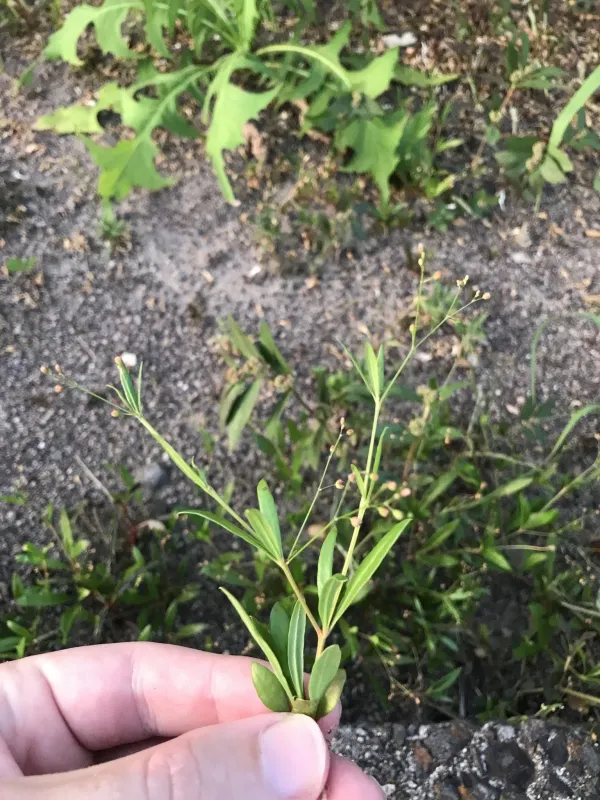
Description
Sowing dates
Trigastrotheca stricta is a member of the Molluginaceae family. It is an herbaceous plant that thrives in well-drained soils with a neutral or slightly acidic pH level under natural conditions.
The seeds of this crop show high viability; however, achieving uniform germination often requires preliminary stratification or heat treatment depending on the cultivation region.
Optimal sowing time occurs when soil temperatures at a depth of 5-10 cm reach 15-18 degrees Celsius, which mitigates the risk of seedling loss due to late frost events.
Seed planting depth should be limited to 1-2 centimeters, as the small seeds possess limited nutritional reserves to penetrate a dense soil layer.
After sowing, it is recommended to lightly roll the soil surface to improve contact between the seeds and soil capillaries, significantly accelerating the germination process.
Growing requirements
The crop has moderate light requirements and prefers open areas with access to direct sunlight for the majority of the daylight hours.
The plant exhibits high resistance to drought periods, a trait attributed to its root system, which is capable of effectively absorbing moisture from deeper soil horizons.
Successful growth requires loose sandy loam or light loamy soils that prevent water stagnation, which is often fatal to the root neck of the plant.
Mineral nutrition should be balanced, with an emphasis on phosphorus-potassium fertilizers to strengthen cell walls and enhance overall plant stress tolerance.
The crop adapts successfully to moderately hot climates, but excessive air humidity may necessitate prophylactic fungicide treatments to prevent foliar issues.
Main diseases and pests
The main phytopathological threats to this crop include root rot, which arises from improper irrigation management and poor soil aeration during the vegetative stage.
Pests such as spider mites or aphids may attack the foliage under abnormally high temperatures, necessitating regular field monitoring and scouting.
Upon detection of fungal disease symptoms, it is necessary to utilize biopesticides that effectively suppress pathogens without accumulating residues in plant tissues.
Weed interference poses a serious competitive threat during the early seedling stage, making timely weeding a critical element of crop maintenance.
Damage prevention also involves adhering to strict crop rotation and avoiding monoculture on the same plot for more than two consecutive seasons.
Harvesting
Harvesting of green mass or seed material is performed during the technical maturity phase, when the plant has maximized its accumulation of beneficial bioactive compounds.
To obtain high-quality raw material, it is recommended to conduct mowing during morning hours after dew has evaporated to minimize oxidation processes in the harvested stems.
After collection, the material requires immediate drying in the shade with good ventilation, ensuring the preservation of the natural chemical profile and product quality.
Seed storage must be carried out in paper bags or fabric sacks at a stable humidity level not exceeding 12 percent to prevent deterioration.
Transportation of the harvested material requires gentle handling, as the fragile parts of the plant are susceptible to damage from mechanical impact.