
Trigastrotheca pentaphylla
Trigastrotheca pentaphylla
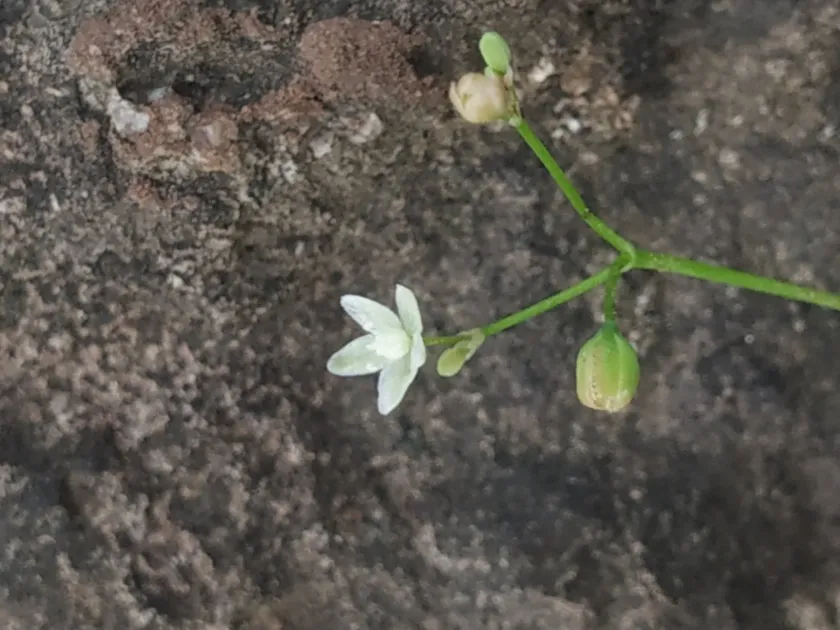
Description
Growing requirements
Trigastrotheca pentaphylla is a distinct plant species belonging to the Molluginaceae family. It is recognized for its adaptation to arid and semi-arid environments, primarily found across African and Asian territories where environmental stress limits the growth of conventional crops.
Botanically, the plant is characterized by its prostrate to ascending growth habit and specific foliage arrangement. Its morphology is highly optimized for water conservation, featuring specialized cellular mechanisms that allow the plant to maintain metabolic functions despite limited water availability in the soil.
The cultivation of this species requires high irradiance and warm temperatures. It thrives in well-drained, sandy soils that allow for rapid drainage after precipitation events. In an agricultural context, providing optimal spacing is crucial to prevent competition for limited soil nutrients during early growth stages.
Water management is the most critical aspect of agrotechnics for this plant. While it is drought-tolerant, it requires consistent moisture only during the germination phase. Once established, the root system is highly efficient at extracting subsurface moisture, making it an excellent candidate for low-input farming systems.
The potential use of Trigastrotheca pentaphylla in modern agriculture is largely tied to soil conservation and as a cover crop for arid regions. Its ability to stabilize sandy soil surfaces helps prevent erosion, providing a sustainable solution for land management in regions prone to desertification.