
Trichadenia zeylanica
Trichadenia zeylanica
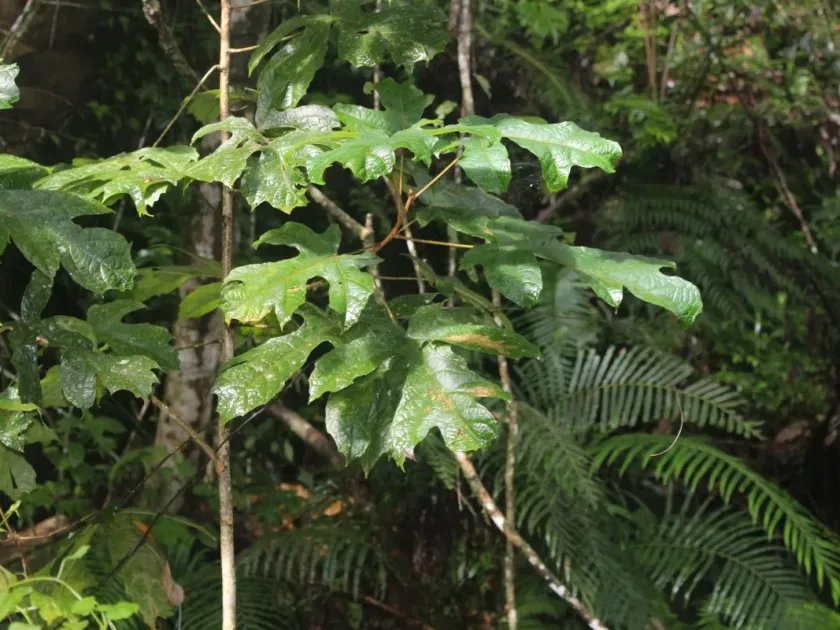
Description
Growing requirements
Trichadenia zeylanica is a woody plant belonging to the Achariaceae family, native to the tropical rainforests of Sri Lanka. It requires a humid, stable environment, typically found in low-elevation forests where rainfall is consistent throughout the year.
The tree thrives in well-drained, deep, and nutrient-rich soils. It is intolerant to waterlogging, as the root system requires adequate aeration to prevent the development of root rot, which is common in many tropical species subjected to high moisture.
Climatic requirements focus on maintaining high ambient temperatures and avoiding exposure to direct, harsh wind. The species is sensitive to temperature drops and is best suited for cultivation in regions that mimic its natural tropical habitat.
Cultural practices involve careful management of soil fertility using organic mulching, which mimics the natural forest floor litter. This helps in maintaining soil moisture levels while slowly releasing essential nutrients required for the healthy growth of the tree.
Plant propagation is primarily achieved through seeds. Because seeds have a relatively short viability period after maturation, they must be sown quickly in a controlled nursery environment to ensure high germination success rates.
Yield
The primary economic value of Trichadenia zeylanica lies in its seeds, which are known to be rich in fatty oils. Harvest is conducted upon the natural opening of the fruit capsules, signifying that the seeds have reached physiological maturity.
Crop yield is influenced by both genetic factors of the individual tree and the environmental conditions provided during the growing season. Adequate irrigation during the fruit-setting phase is critical to maximize the seed production per tree.
Harvesting techniques focus on manual collection to avoid damage to the tree bark and branches. This is a labor-intensive process that ensures the high quality of the oilseed, preventing contamination with debris or soil particles.
The oil derived from the seeds is traditionally used for its antiseptic properties in local medicine. It requires careful refining to ensure it is safe for specific applications, as raw extracts can be quite potent.
Future agricultural efforts for this species center on identifying high-yielding genotypes. Sustainable management of plantations ensures that the trees continue to provide consistent yields over several decades.
Main diseases and pests
The main threats to Trichadenia zeylanica include fungal pathogens that thrive in high-humidity tropical environments. Leaf spot diseases and bark rots can become serious problems if the plantation spacing is too dense, reducing airflow.
Pest infestations, particularly by wood-boring insects, can weaken the structural integrity of the trunks. Integrated pest management programs are essential to monitor for signs of infestation early and mitigate damage to the vascular system.
Competition from invasive fast-growing weeds in the early stages of establishment poses a threat to saplings. Regular weeding in the first years is crucial to ensure the tree has access to sunlight and soil nutrients.
Climate change poses an indirect threat by altering the precipitation patterns in its native range. Prolonged droughts can reduce seed quality and increase the tree's susceptibility to secondary infections by opportunist pests.
Lack of specialized biological research means that many pest pressures remain poorly understood. Farmers typically rely on traditional practices to protect their crops, emphasizing the need for modernized diagnostic tools for these tropical trees.