
Trichadenia philippinensis
Trichadenia philippinensis
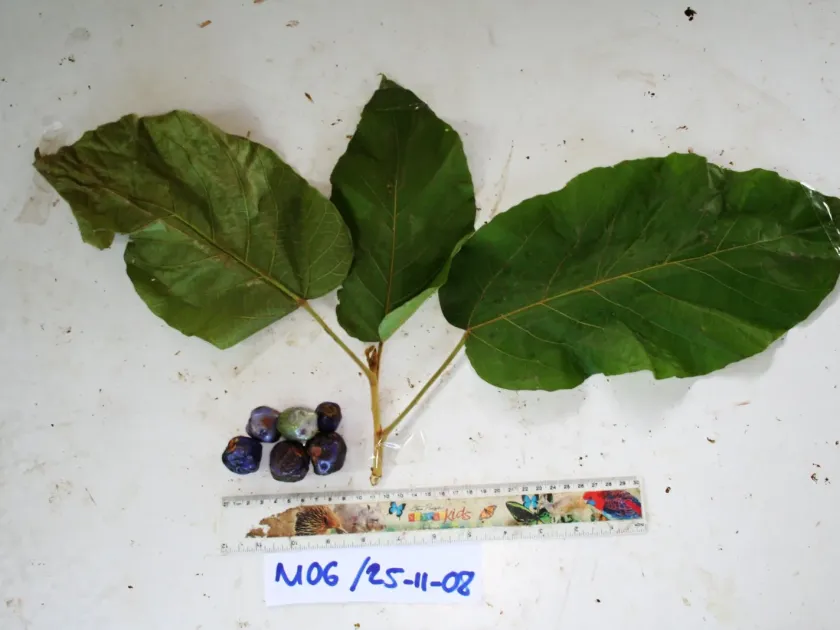
Description
Growing requirements
Trichadenia philippinensis is a species of evergreen tree belonging to the family Salicaceae. It is a distinctive component of the tropical rainforests in the Philippines and surrounding regions of Southeast Asia.
This species thrives in high-humidity tropical environments where temperatures remain consistently between 22 and 30 degrees Celsius. It is highly sensitive to frost and cold snaps, which limits its potential cultivation to strictly tropical latitudes.
The tree requires deep, well-drained loamy soils rich in organic matter. Proper drainage is essential, as the roots are prone to rot if kept in waterlogged conditions for extended periods during the monsoon season.
In terms of light exposure, young trees typically prefer partial shade as they grow under the canopy. As they mature, they can tolerate more direct light, provided the soil moisture remains adequate for their physiological needs.
Agricultural management should prioritize the maintenance of soil fertility through mulching or organic fertilization, as native forest soils can deplete quickly once cleared for intensive cultivation.
Harvesting
The economic utility of the tree primarily centers on its seeds, which are rich in oils. Harvesting is generally conducted by collecting fallen fruits from the forest floor, ensuring that they are processed before degradation occurs.
Post-harvest handling is critical due to the high ambient humidity of its natural habitat. The seeds must be promptly removed from the fruit pulp and dried in well-ventilated, shaded areas to prevent fungal contamination.
The extracted oil from Trichadenia philippinensis has been traditionally investigated for various industrial and cosmetic applications due to its unique chemical composition.
Quality control during harvesting involves selecting only mature, undamaged fruits to ensure that the oil acidity levels remain low, which is a key parameter for the final industrial product.
Although industrial-scale plantation models for this specific species are rare, local farmers often manage scattered wild populations to supplement their income through the sale of processed seed products.