
Triantha japonica
Triantha japonica
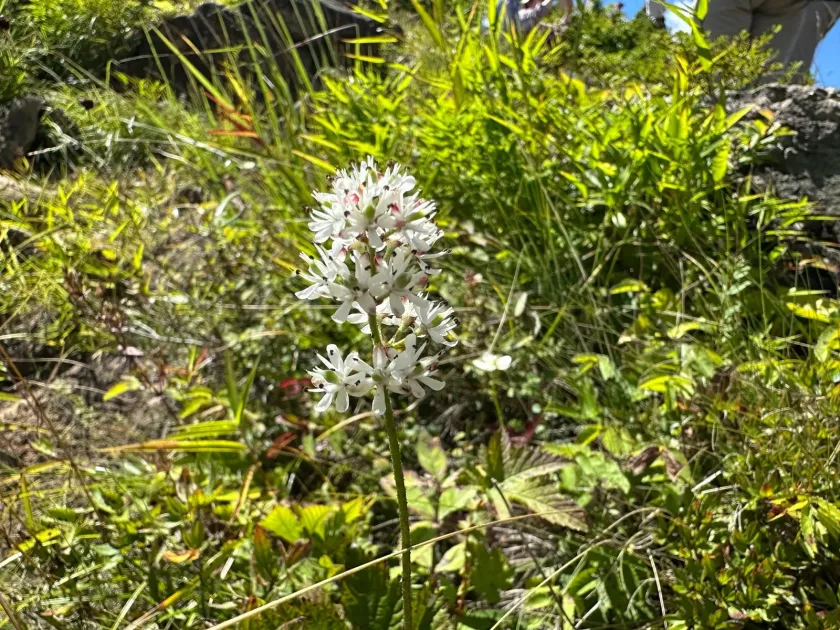
Description
Sowing dates
Sowing Triantha japonica seeds is best performed in late autumn, as the seeds require a period of cold stratification to break dormancy and ensure uniform germination in the spring.
For container cultivation, artificial stratification can be achieved by placing seed trays in a cool environment, such as a cold frame or refrigerator, for approximately 8 to 12 weeks.
The sowing medium should consist of a light, acidic, and moisture-retentive mix, mimicking the boggy or rocky substrates favored by the plant in its native habitat.
Seeds should be sown on the surface and barely covered with a thin layer of fine sand or grit to maintain constant contact with moisture while allowing for necessary light exposure.
Once germinated, seedlings should be maintained in a cool, well-ventilated environment until they are robust enough for transplantation into their permanent location.
Growing requirements
Triantha japonica is a herbaceous perennial belonging to the Tofieldiaceae family, known for its elegant white flowers and adaptation to moist, specialized environments.
The plant thrives in sites that offer consistent moisture throughout the growing season, such as the margins of garden ponds, streams, or specialized wet rock gardens.
Light requirements for this species include bright but indirect light; while it can tolerate some morning sun, full afternoon shade is recommended to prevent heat stress during peak summer.
The soil should be consistently moist, acidic, and well-aerated; avoiding stagnant water is crucial to preventing root rot, despite the plant's preference for high humidity.
Cultural management involves protecting the plant from extreme temperature fluctuations and ensuring the substrate remains cool, as it is naturally suited to alpine or sub-alpine environments.
Main diseases and pests
Root rot is the primary threat to Triantha japonica, often triggered by a lack of drainage or overwatering in conditions where the substrate becomes overly compacted.
Slugs and snails can cause significant aesthetic and physiological damage, especially to the tender new growth during the spring, necessitating protective barriers or vigilance.
Fungal leaf spots may occur in conditions of poor air circulation and high humidity, making regular monitoring and appropriate spacing of plants essential for disease prevention.
During the winter, improper protection from severe frost or erratic freeze-thaw cycles can damage the crown, so light mulching may be beneficial in colder climates.
General hygiene, such as removing debris and dead foliage around the base of the plant, significantly reduces the risk of harboring common garden pests and pathogens.