
Triadica cochinchensis
Triadica cochinchensis
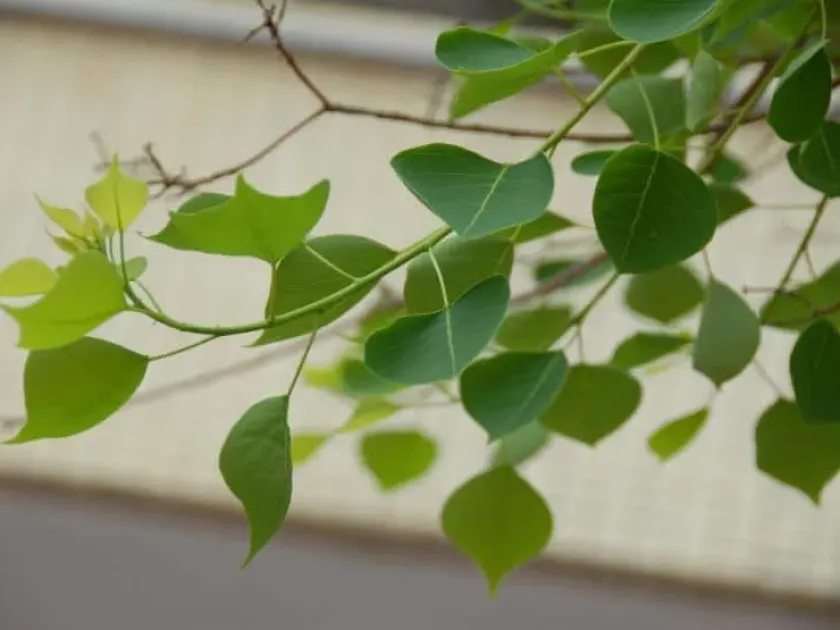
Description
Growing requirements
Triadica cochinchensis is a woody species within the Euphorbiaceae family. Originating from the tropical landscapes of Southeast Asia, this plant is well-adapted to warm and humid climatic conditions throughout its native range.
Cultivation of this species requires well-drained, nutrient-rich soils to support its rapid vegetative growth. Soil moisture must be consistent, as the plant is sensitive to prolonged droughts that can stunt its development and yield potential.
This crop thrives in areas with high solar radiation, making canopy management essential. Pruning techniques should be employed to ensure that lower branches receive enough sunlight, which improves the uniformity of fruit maturation.
Regarding climate, the plant demands frost-free conditions year-round. It is best suited for regions where seasonal temperature fluctuations are minimal, allowing the plant to maintain an active state of growth.
The agricultural potential of Triadica cochinchensis is primarily centered on seed harvesting for oil extraction. The chemical composition of the oil makes it a valuable resource for industrial applications and potential biofuel production.
Main diseases and pests
The plant is susceptible to several fungal diseases, particularly those affecting the root system and foliage. High relative humidity often serves as a trigger for powdery mildew and various leaf spot pathogens.
Among agricultural pests, sucking insects pose the greatest risk to crop health. Aphids, scale insects, and mites can cause significant foliage damage, which directly correlates to a reduction in seed production.
Effective pest management involves maintaining rigorous plantation hygiene. Removing diseased plant material and maintaining proper spacing between trees are critical steps in mitigating the spread of infections.
When chemical treatments are necessary, they must be applied with care to minimize impact on local pollinators. Using selective systemic insecticides is often preferred during the vegetative stage to control sap-feeding insects effectively.
Continuous monitoring programs are vital to detect early-stage infestations. By identifying pests and diseases at their onset, producers can implement targeted control measures and avoid large-scale loss of the plantation.