
Trachyandra tortilis
Trachyandra tortilis
Description
Growing requirements
Trachyandra tortilis is a fascinating succulent species belonging to the Asphodelaceae family. Native to the arid environments of South Africa, it has evolved unique physiological mechanisms to thrive in resource-scarce desert conditions.
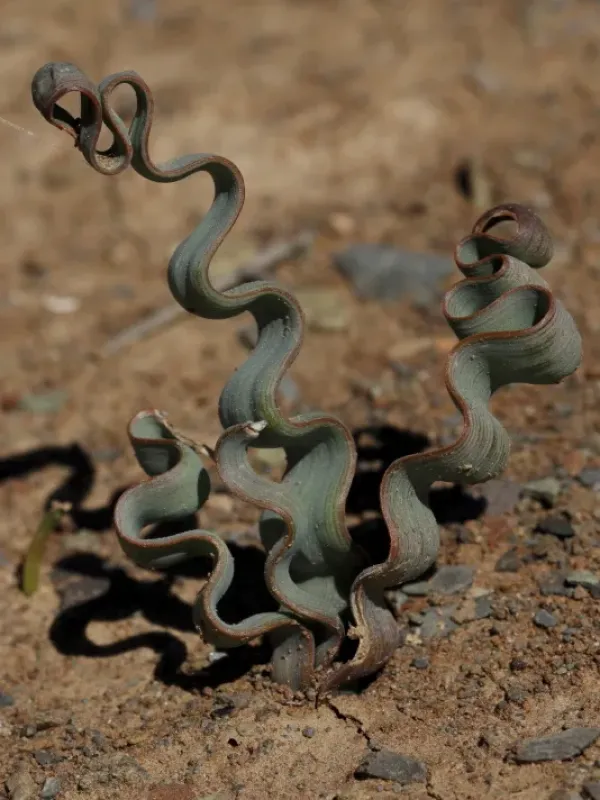
The plant is widely recognized for its spectacular spiraling leaves, which form tight, corkscrew-like curls. This morphological adaptation is a direct response to high solar intensity, helping the plant manage its water balance efficiently.
Successful cultivation requires a gritty, highly porous substrate. A mixture specifically designed for succulents, consisting of pumice, coarse sand, and perlite, is essential to ensure adequate drainage and prevent water accumulation around the roots.
Light is a critical factor for the maintenance of its signature foliage shape. Providing at least several hours of direct sunlight is necessary to encourage the tight coiling of the leaves, preventing them from becoming elongated or limp.
The species follows a winter-growing cycle, which means it requires cooler temperatures during its active growth phase. Managing the environment to mimic its natural seasonal shifts is key to long-term plant health.
Main diseases and pests
Root rot is the most common threat to Trachyandra tortilis, usually resulting from overwatering or poorly draining soil. Once the root system is compromised, the plant often struggles to recover, making prevention through controlled irrigation crucial.
Mealybugs are frequent pests that infest the crevices of the leaf rosettes. They feed on sap and secrete a waxy substance, which can significantly weaken the plant and lead to stunted growth or secondary infections.
Spider mites can also be problematic, especially in environments with low humidity. These tiny pests cause yellowing and spotting on the leaves, which detracts from the plant's aesthetic value and overall vigor.
Fungal infections can manifest when humidity is too high and airflow is restricted. Ensuring good air circulation around the plant is vital to keep the foliage dry and reduce the risk of mold growth.
Integrated pest management, including regular inspection and the use of insecticidal soaps or systemic treatments, is recommended to keep the plant free from damage and maintain its structural integrity.