
Tococa quadrialata
Tococa quadrialata
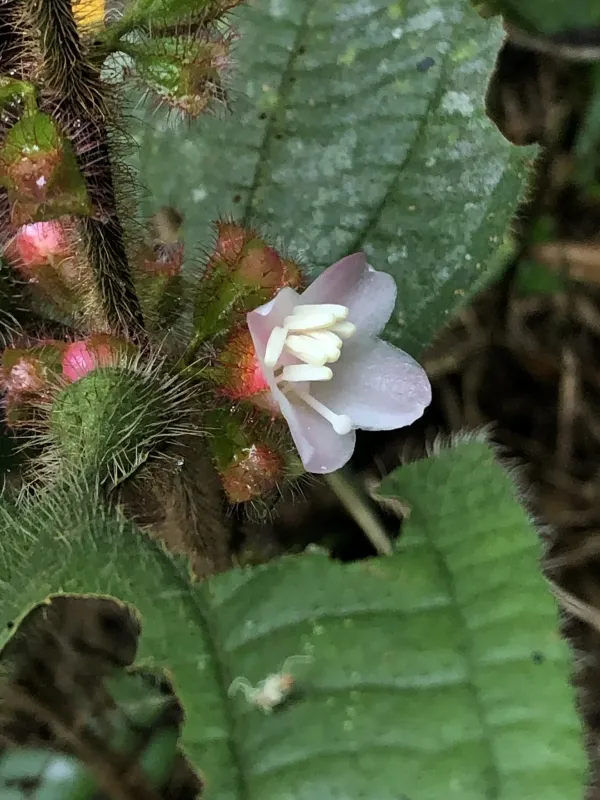
Description
Growing requirements
Tococa quadrialata is a tropical shrub species belonging to the Melastomataceae family. Native to the humid rainforests of South America, this plant is known for its distinct foliage and specific ecological requirements.
The culture thrives in environments with high ambient humidity, ideally exceeding 75 percent. In a controlled agricultural or horticultural setting, maintaining this humidity level is vital for preventing leaf desiccation and ensuring healthy growth cycles.
For optimal development, the plant requires a nutrient-rich, well-draining substrate. The soil should be slightly acidic to mirror the nutrient profile found in the leaf litter layers of its native habitat, ensuring proper nutrient uptake.
Regarding light, Tococa quadrialata requires shaded or dappled light conditions. It lacks the physiological tolerance for intense solar radiation, making indoor or greenhouse cultivation with appropriate shade netting the preferred methodology.
Temperature management is crucial, as the plant is sensitive to thermal stress. A steady range between 22 and 28 degrees Celsius promotes vigorous growth, whereas temperatures dropping significantly below this range can induce dormancy or physiological damage.
Main diseases and pests
Pathogenic fungi present a significant risk, especially in stagnant air conditions. Improving airflow through mechanical ventilation and avoiding overhead watering significantly reduces the incidence of fungal outbreaks on the foliage.
Pest pressures primarily include spider mites, which flourish in low-humidity environments. Integrated pest management strategies, focusing on biological controls and proper hydration, are recommended to protect the integrity of the plant.