
Tigridia durangensis
Tigridia durangensis
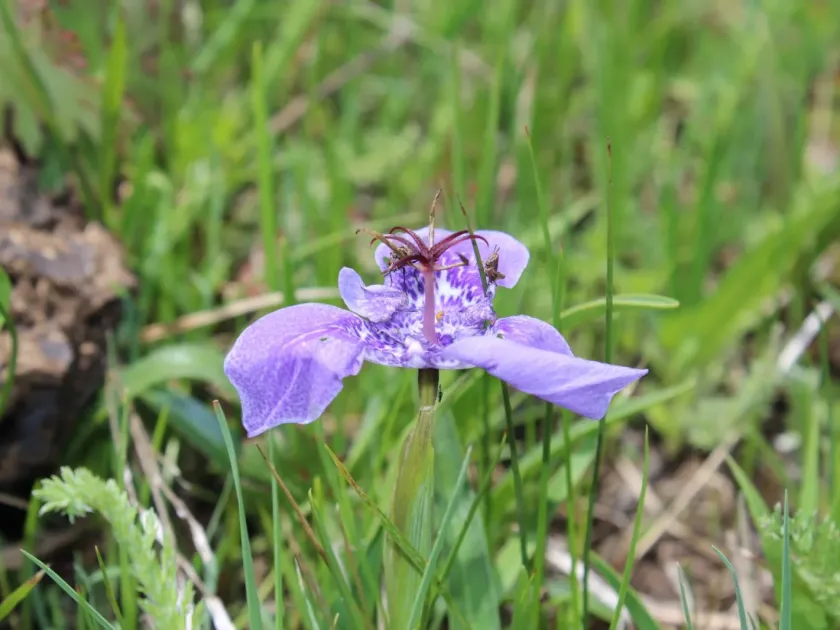
Description
Sowing dates
Tigridia durangensis, a member of the Iridaceae family, can be propagated through seeds or vegetatively using offsets. Seed sowing should ideally take place in late winter within a greenhouse environment to allow sufficient development time before the growing season.
For optimal germination, seeds must be sown in a well-draining, nutrient-rich substrate. A sowing depth of approximately 1-2 centimeters is recommended, maintaining a temperature range between 20-22 degrees Celsius to ensure steady growth.
Once true leaves appear, seedlings should be pricked out into individual containers. Adequate light exposure during this stage is essential to prevent etiolation, which ensures the development of robust bulbs for subsequent transplanting.
Vegetative propagation via offsets is the preferred method for maintaining genetic consistency and achieving faster maturity. These offsets should be separated from the parent bulb during the dormant period and planted as soon as soil temperatures allow.
Transplanting to the field is performed after all frost risks have passed. Maintaining a spacing of 15-20 centimeters between plants promotes better airflow and reduces the risk of competitive stress among individual specimens.
Growing requirements
This species thrives in warm, sunny climates and requires full sun exposure to initiate consistent flowering. Protection from high winds is necessary, as the stems are relatively delicate and prone to physical damage.
The ideal soil profile for Tigridia durangensis consists of a sandy or loamy texture with neutral to slightly acidic pH levels. Exceptional drainage is a critical requirement to prevent bulb rot, which is common in heavy, saturated soils.
While the plant needs consistent soil moisture during its active growing phase, it is highly sensitive to waterlogging. Irrigation schedules must be carefully managed to keep the root zone hydrated without fostering anaerobic conditions.
Fertilization regimes should focus on a balanced NPK ratio during the early development stages, transitioning to higher potassium content as the plant approaches the budding stage to enhance flower quality.
In regions with freezing winters, the bulbs must be lifted from the ground after the first frost. Storage should take place in a cool, dry, and dark environment with temperatures maintained between 5 and 8 degrees Celsius to preserve viability.
Main diseases and pests
Fungal pathogens are the primary concern for this crop, specifically those flourishing in humid environments. Fusarium wilt and various forms of basal rot can severely compromise bulb health if drainage is not properly maintained.
Pests such as thrips and spider mites often target the foliage during warm, dry spells. These pests deplete plant vigor by feeding on sap, which directly impacts the ability of the plant to accumulate energy for the next season.
Nematode infestations present a silent threat that can destroy root systems rapidly. Effective management requires rigorous soil hygiene, including pre-planting soil solarization or chemical treatment in heavily infested areas.
Integrated pest management strategies should include regular crop scouting and the removal of any symptomatic plants to prevent the spread of localized infections within the garden or nursery area.
- Ensure proper ventilation to lower humidity around the canopy.
- Apply specialized fungicides preventatively if environmental conditions are damp.
- Rotate planting sites periodically to prevent soil-borne pathogen accumulation.