
Tigridia
Tigridia augusta
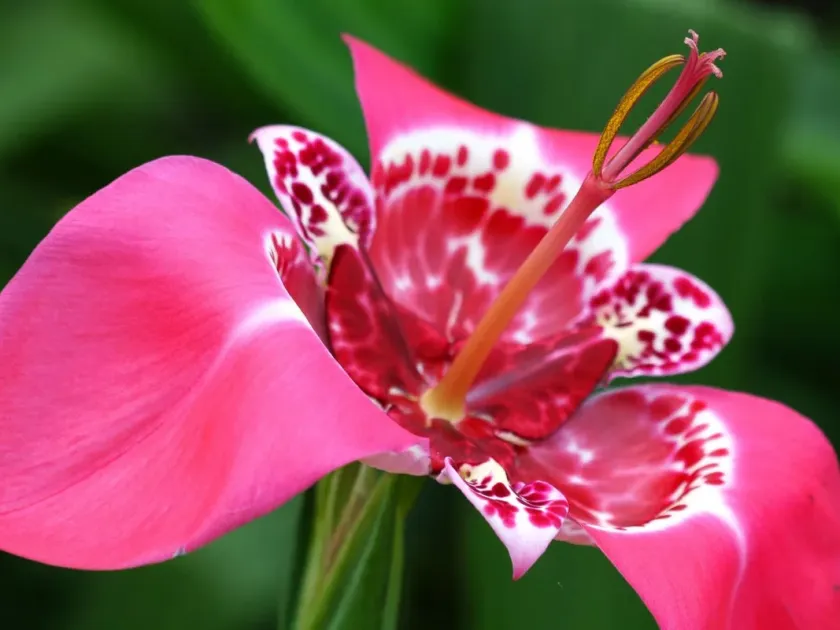
Description
Sowing dates
Planting of Tigridia augusta bulbs in the open ground is typically scheduled for spring, once the soil has warmed up to 10-12 degrees Celsius. In most regions, this corresponds to late April or early May.
Before planting, it is highly recommended to treat the bulbs with a fungicide to protect them from potential soil-borne pathogens. This step is crucial as the bulbs are susceptible to rot when moisture levels are uncontrolled.
Bulbs should be planted at a depth of 8 to 10 centimeters with a spacing of 15 to 20 centimeters between individual plants. This density allows for proper air circulation and prevents overcrowding during the peak growth phase.
In warmer southern climates, earlier planting is possible, but young shoots must be covered with protective material if there is any risk of late spring frost. The plant is thermophilic and requires stable warmth to develop.
To ensure earlier flowering, many gardeners choose to start the bulbs in pots indoors and transplant them later. This method allows for a longer growing season and better control over environmental conditions.
Growing requirements
Tigridia belongs to the Iridaceae family and is known for its short-lived, vibrant, and exotic flowers. It originates from the high-altitude regions of Mexico, which informs its specific light and climate requirements.
This crop performs best in full sun, although it benefits from light shade during the hottest parts of the day. It is essential to select a site that is well-protected from strong, drying winds that could damage the stems.
The soil must be light, fertile, and exceptionally well-drained. In areas with heavy clay soil, adding organic matter and coarse sand or gravel is necessary to prevent water stagnation, which is fatal for the bulbs.
Watering needs to be consistent, particularly during the active growing and flowering stages. While the soil should stay moist, it must never be waterlogged, as soggy conditions quickly encourage root rot.
The species prefers slightly acidic or neutral soil pH levels. Regular application of a balanced mineral fertilizer throughout the growing period supports the development of strong stems and enhances the flower's natural coloration.
Main diseases and pests
The primary threats to Tigridia augusta are fungal diseases, such as bulb rot and various types of rust. These infections are almost always linked to poor drainage or excessive humidity in the growing area.
Common insect pests include thrips and spider mites. These small pests feed on the sap of the leaves and stems, which can stunt the plant's growth and significantly diminish its overall decorative quality.
Soil-dwelling insects, such as wireworms, can damage the underground portion of the plant. Using preventative soil insecticides or maintaining a clean, weed-free growing area helps reduce the pressure from these pests.
Slugs and snails can cause damage to young shoots in damp conditions. Barrier methods, such as mulching with crushed materials or using specialized baits, are effective in controlling their populations near the plants.
Good cultural practices, such as practicing crop rotation and avoiding the replanting of Tigridia in the same spot for several consecutive years, are the best defense against long-term pest and disease buildup.
Harvesting
Harvesting the bulbs must be done in autumn, before the first significant frost hits the ground. In most temperate zones, this occurs in late September or October, as the plant cannot survive outdoors during winter.
After lifting the bulbs from the soil, remove excess dirt and trim the foliage to about 2-3 centimeters above the bulb neck. Allow them to air-dry in a cool, ventilated area for at least two weeks before final storage.
The optimal storage environment is a cool, dark, and dry place with temperatures between 3 and 5 degrees Celsius. Using breathable packaging like paper bags or containers with dry peat or sand is recommended.
Regular inspections throughout the storage period are vital to ensure the bulbs remain healthy. Any signs of decay require immediate disposal to prevent the spread of mold or rot to the rest of the collection.
Proper storage is the key to successfully planting the bulbs the following spring. Bulbs treated with care during their dormant period will yield vigorous growth and vibrant flowers in the next season.