
Thyrsostachys siamensis
Thyrsostachys siamensis
Description
Growing requirements
Thyrsostachys siamensis, commonly known as monastery bamboo, is a perennial evergreen plant belonging to the Poaceae family. Native to the tropical regions of Southeast Asia, particularly Thailand and Myanmar, it has adapted to environments with distinct wet and dry seasons.
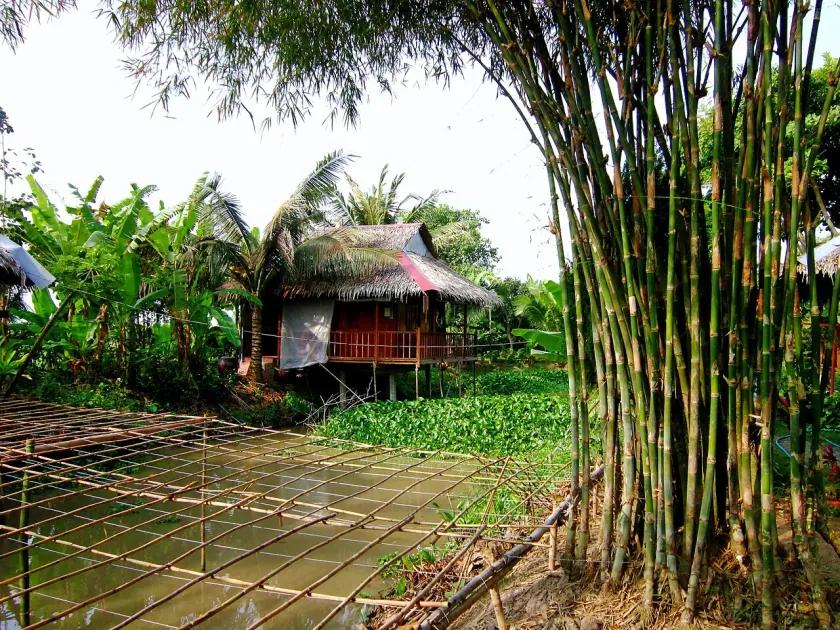
Botanically, this species is characterized by its tight, clumping growth habit, forming dense clusters of upright, slender culms. The mature culms can reach heights of 6 to 10 meters and are highly valued for their strength, straightness, and uniform appearance.
The crop requires fertile, well-drained loamy soils to thrive. It is intolerant of waterlogged conditions, which can lead to root rot; therefore, selecting well-drained sites is crucial for successful plantation establishment, especially in areas with high annual precipitation.
Temperature requirements are strictly tropical, as the plant prefers stable conditions between 20°C and 32°C. It thrives in full sunlight, which is necessary for the production of high-quality, sturdy culms, although it can tolerate partial shade during the early stages of its development.
Agronomic management involves regular irrigation during the dry season and periodic application of organic mulch and balanced fertilizers. Propagation is primarily done through division of rhizomes, ensuring the genetic consistency of the plantation and faster establishment compared to seed-based methods.
Yield
The primary economic use of Thyrsostachys siamensis lies in the construction and craft industry. Due to its superior structural properties and thin-walled but strong culms, it is widely used for making fine furniture, handicrafts, basketry, and tool handles.
Furthermore, the young shoots of this bamboo species are harvested for culinary purposes. They are processed and used in various dishes, known for their crisp texture and nutritional value, serving as a significant source of income for local agricultural communities.
Main diseases and pests
Disease management is centered around preventing fungal infections that occur due to high humidity and poor air circulation within the dense bamboo clumps. Fungal leaf spots and root pathogens are the most common issues that require monitoring and preventive fungicide applications.
Pest management focuses on controlling sap-sucking insects like mealybugs, aphids, and mites that target the young, tender shoots. Maintaining healthy plant vigor through proper fertilization and keeping the plantations free of debris helps in reducing the incidence of pest outbreaks.