
Thyrsostachys oliveri
Thyrsostachys oliveri
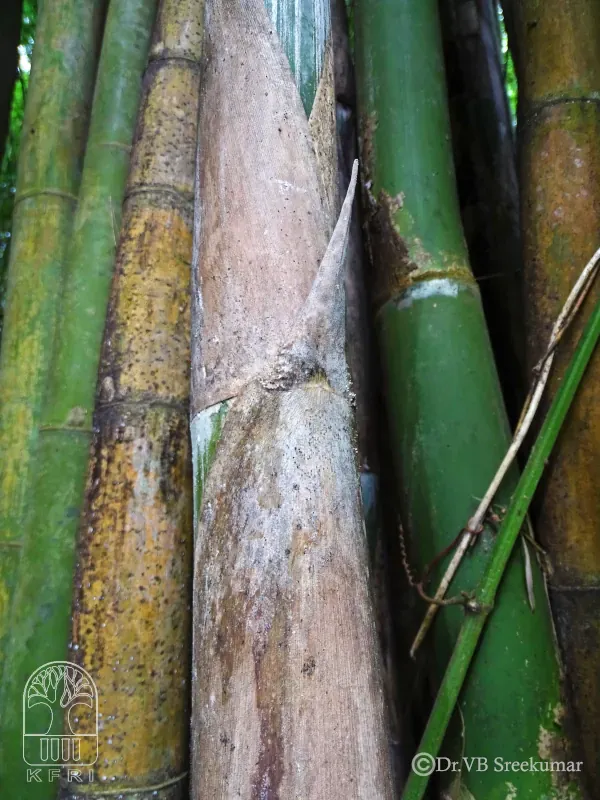
Description
Growing requirements
Thyrsostachys oliveri, commonly known as Oliver's bamboo, is a member of the Poaceae family. It is a large, clumping bamboo species characterized by its dense, non-invasive growth habit, which makes it ideal for organized agricultural plantations.
Native to the regions of Myanmar and Thailand, this species thrives in tropical climates. It is highly adapted to monsoon environments, preferring regions with clear seasonal variations in rainfall, which stimulate its growth cycles.
Regarding soil requirements, this bamboo demands well-drained, fertile soil. It performs best in loamy substrates that maintain moisture without becoming waterlogged, as poor drainage is a common cause of root death in young stands.
The plant requires full sun exposure to reach its maximum height and produce the strongest culms. Insufficient light levels often result in thinner, weaker stems that are less suitable for industrial applications.
Temperature management is critical; while it handles heat exceptionally well, it is not frost-tolerant. Ideal growth occurs when temperatures remain consistently between 20°C and 35°C, ensuring robust annual biomass production.
Yield
The primary economic value of Thyrsostachys oliveri lies in its high-quality timber. Its culms are known for being straight, strong, and relatively thick-walled, making them a preferred material for construction and scaffolding.
Industrially, the wood is utilized in furniture manufacturing, flooring, and interior design products. Its durability and resistance to wear make it an excellent sustainable alternative to hardwoods.
In addition to construction, the species is harvested for its edible shoots. These are a significant nutritional resource, commonly consumed in many parts of Asia after boiling to remove natural bitterness.
The plant also contributes to soil conservation, as its extensive underground rhizome system prevents topsoil erosion and improves soil structure over time, acting as a natural land management tool.
Sustainable harvest management, where only mature culms of 5–7 years are cut, allows for continuous, long-term yield without damaging the vitality of the original clump.
Main diseases and pests
Like many bamboo species, Thyrsostachys oliveri is susceptible to specific pests, including bamboo mites and various species of borers that can penetrate the culm walls and reduce the quality of the harvested timber.
Fungal pathogens are a major threat, particularly in humid, poorly ventilated plantations. These diseases can cause leaf spots and blight, which weakens the overall vigor of the plant during the growing season.
Integrated Pest Management (IPM) is recommended, focusing on maintaining plantation hygiene, such as removing dead or infected culms and ensuring proper spacing between clumps for airflow.
The use of chemical treatments should be limited to avoid degrading the soil quality, as healthy bamboo stands often develop natural resistance mechanisms when grown under optimal ecological conditions.
Early detection of infections is vital. Growers should conduct routine inspections, especially during the humid monsoon season when the risk of fungal spread is at its highest due to stagnant air and moisture.