
Thornless Honeylocust
Gleditsia triacanthos L. f. inermis (L.) C. K. Schneid.
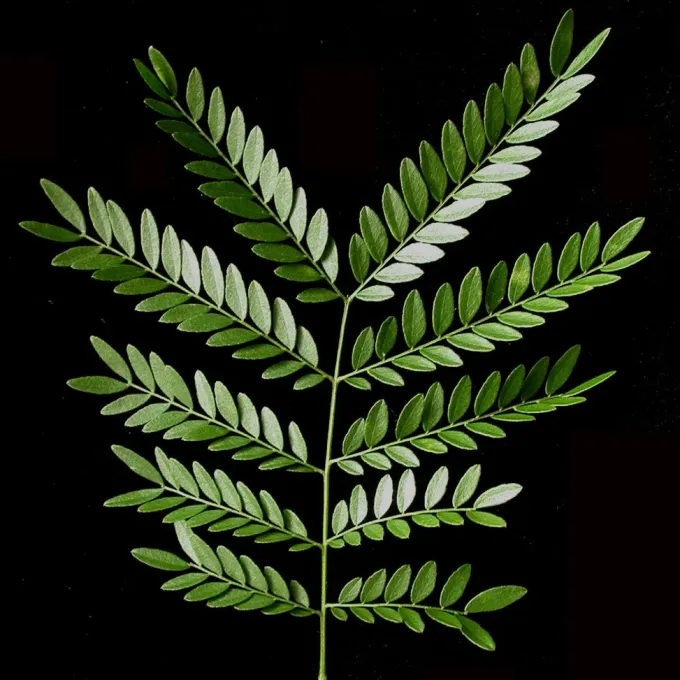
Description
Sowing dates
Seeds of the thornless honeylocust should be sown in the spring after careful pretreatment. Because the seeds possess a very hard seed coat, scarification or hot water treatment is essential to break dormancy and ensure uniform germination.
Seeds are typically planted at a depth of 3 to 5 centimeters in well-prepared, loose soil. When managed in a nursery setting, rows are spaced 60 to 90 centimeters apart to provide sufficient room for seedling development.
Fall sowing is also an alternative in regions with mild winters, as the seeds benefit from natural cold stratification within the soil. This can lead to a more synchronized germination process as temperatures rise in the spring.
Since the 'inermis' form (thornless) is a specific cultivar, vegetative propagation via grafting or softwood cuttings is often preferred for specialized landscaping projects to ensure the offspring remain completely thornless.
After sowing, maintaining adequate soil moisture is critical until the seedlings are well-established. Early weed control is necessary to prevent competition for nutrients and water during the initial growth phase.
Growing requirements
The thornless honeylocust belongs to the Fabaceae family and is recognized for its exceptional resilience to environmental stress. It thrives in diverse soil types, including poor, alkaline, or compacted soils, due to its symbiotic relationship with nitrogen-fixing bacteria.
This tree is highly drought-tolerant, making it an excellent choice for reforestation efforts and shelterbelts in arid or semi-arid regions. It can endure prolonged dry spells without significant impact on its overall health.
Full sun exposure is required for the honeylocust to develop a robust, symmetrical crown. In shaded environments, the tree tends to become leggy and loses its desired ornamental structure.
The species is remarkably adaptable to urban environments, showing high tolerance for air pollution, salt, and heat reflected from pavements. These traits make it a staple in municipal landscaping and street tree programs.
While it is not overly demanding regarding soil fertility, it performs best in deep, well-drained soils. Its ability to tolerate various pH levels further increases its utility in wide-scale environmental management projects.
Yield
The economic value of the honeylocust lies in its dense, durable wood, which is highly prized in carpentry and furniture making. The wood is resistant to decay, making it suitable for both indoor and outdoor applications.
The tree produces long, flat pods containing seeds and pulp that have been traditionally used as livestock feed. The pods are rich in sugars and protein, providing a supplementary food source for cattle and other farm animals.
Honeylocust is also valued as a honey plant; its flowers provide an important late-season nectar source for pollinators, contributing to high-quality honey production in agricultural landscapes.
As a component of shelterbelts and windbreaks, the species helps protect crops from wind erosion and improves field microclimates. This indirect benefit can lead to increased yields for nearby grain or vegetable crops.
The tree's rapid growth rate and biomass accumulation make it an effective tool for soil stabilization and environmental restoration on degraded sites, such as former mine lands or construction zones.
Main diseases and pests
Thornless honeylocust is generally considered a low-maintenance tree with high resistance to most common tree diseases. This innate robustness reduces the necessity for heavy chemical intervention or intensive monitoring.
While generally healthy, the species can occasionally be affected by minor pests like leaf-chewing caterpillars or webworms. These infestations are rarely fatal and usually do not require extensive treatment.
A primary environmental risk is waterlogging, particularly in heavy clay soils. Ensuring proper site selection that avoids areas prone to prolonged standing water is essential for preventing root-related complications.
Integrated pest management strategies, such as encouraging local bird populations or beneficial insects, can help maintain the health of honeylocust stands without disturbing the surrounding ecosystem.
If branches show signs of damage or infection, prompt sanitary pruning is recommended. This simple cultural practice helps maintain the tree's vitality and prevents the spread of pathogens to healthy parts of the canopy.