
Honeylocust
Gleditsia triacanthos L.
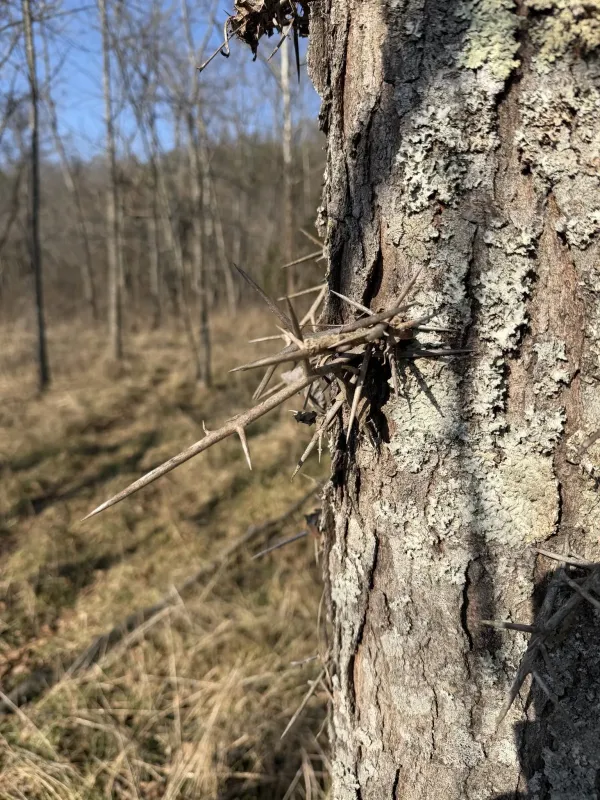
Description
Growing requirements
The Honeylocust (Gleditsia triacanthos L.) is a prominent member of the Fabaceae family, recognized for its adaptability and robustness. Native to central North America, it has been introduced globally due to its tolerance for varying environmental conditions and its significant utility in land reclamation and forestry.
This species is highly heliophilic, requiring direct sunlight to develop a dense and healthy canopy. It is widely acclaimed for its drought tolerance, wind resistance, and ability to thrive in alkaline or saline soils that would be hostile to many other tree species, making it ideal for urban landscaping.
While the Honeylocust is not particularly demanding regarding soil fertility, it thrives best in deep, moist, and well-drained alluvial soils. It exhibits impressive vigor in varied geological settings, ranging from limestone outcrops to heavy clay deposits, demonstrating its high ecological plasticity.
Botanically, the tree is known for its long, compound thorns and nitrogen-fixing root systems. Modern agricultural practices focus on cultivating thornless cultivars (such as 'Shademaster'), which retain the tree's resilience while making it more suitable for managed environments and parks.
Economic uses of the tree are extensive, including timber production, where the wood is valued for its hardness, strength, and rot resistance. Furthermore, the tree serves as an excellent nectar source for honeybees and as a structural element in shelterbelts to protect agricultural fields from erosion.
Main diseases and pests
The Honeylocust is generally considered a low-maintenance tree with few serious health issues, though it can be susceptible to leaf spot diseases in humid climates. Proper spacing and airflow within the canopy are essential preventive measures to reduce moisture accumulation and fungal growth.
Among common pests, the Honeylocust borer and the mimosa webworm are the most significant threats that can impact tree vitality. Regular monitoring and the application of targeted biological control agents are recommended to prevent extensive damage in commercial plantations.
Young trees should be protected from winter browsing by wildlife, which can strip bark and damage growth. Using physical barriers or tree guards during the first few years of establishment is a standard practice to ensure the longevity of the plantation.
Nutrient management is rarely an issue for established trees, as they fix atmospheric nitrogen, but young seedlings may benefit from balanced fertilization in poor soils. Maintaining a mulch layer around the base helps retain moisture and discourages weed competition.
Given its natural hardiness, the species is highly resistant to air pollution and soil compaction. Provided that the trees are monitored for localized pest outbreaks, the Honeylocust remains one of the most reliable choices for sustainable agroforestry and reforestation efforts.