
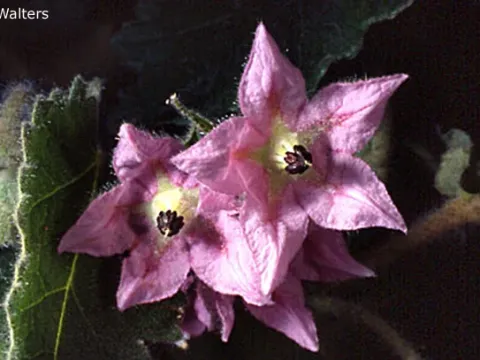
Thomasia
Thomasia
Thomasia is a genus of evergreen shrubs belonging to the Malvaceae family. Native to Australia, these plants are primarily found in the southern and western regions of the continent, adapted to diverse local conditions.
What the section contains


Thomasia
Botanically, Thomasia is distinguished by its woolly or hairy foliage and ornamental bracts that surround the flowers. The plant thrives in well-draining soil, preferring sandy or loamy compositions that prevent moisture accumulation around the roots.
Optimal growth requires exposure to full sun or partial shade, depending on the intensity of the regional climate. In regions with high temperatures, light shade is recommended during the afternoon to prevent leaf scorching.
Agricultural and horticultural practices for Thomasia focus on maintaining moderate moisture levels. While the plant is somewhat drought-tolerant once established, regular watering during the first growing season is crucial for deep root development.
The primary use of this genus is ornamental landscaping. Thomasia is highly valued in Mediterranean-style gardens or arid-climate landscapes for its unique texture and persistent, colorful bracts that add interest during the spring season.
The primary threats to Thomasia include fungal pathogens, particularly root rot, which is triggered by excessive soil moisture and poor drainage. Ensuring high porosity of the substrate is the most effective preventative measure.
Pests such as aphids and mealybugs commonly infest young shoots and the undersides of leaves. Integrated pest management, including the use of neem oil or insecticidal soaps, is typically sufficient to keep these populations under control.
Leaf spot diseases may occur in environments with poor air circulation and high humidity. Pruning to maintain an open canopy structure is essential for allowing air movement and reducing the likelihood of fungal colonization.
Nutrient deficiencies, particularly involving iron or magnesium, can cause leaf chlorosis. Regular soil testing and the application of balanced, slow-release fertilizers can mitigate these issues and promote vibrant green foliage.
In addition to pests and diseases, environmental stress such as extreme frost or waterlogging poses a significant risk to plant survival. Proper site selection and seasonal protection are vital for maintaining the longevity of these ornamental shrubs.