
Thomasia petalocalyx
Thomasia petalocalyx
Description
Growing requirements
Thomasia petalocalyx is an evergreen shrub belonging to the Malvaceae family. Originating from the coastal regions of Western Australia, this plant has adapted to survive in challenging environments characterized by sandy, low-nutrient soils and distinct seasonal cycles.
The cultivation of this species requires well-draining soil to prevent root issues, as it is highly susceptible to waterlogging. In professional horticultural settings, a mix containing coarse sand or gravel is often recommended to ensure that excess water flows away from the root zone rapidly.
Regarding climatic needs, the plant thrives in full sun but benefits from light shade during the hottest parts of the day in warmer climates. It is relatively frost-hardy for short periods, although it should be protected from severe winter winds which can desiccate the foliage.
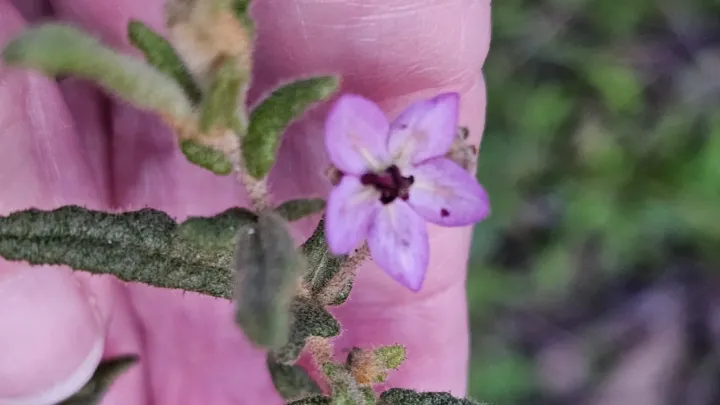
Botanically, it is recognized by its dense, shrubby habit and distinctly petallike calyx, which gives the flowers their unique ornamental value. The leaves are generally small and textured, often covered in fine hairs that help reduce moisture loss through transpiration.
In landscape use, Thomasia petalocalyx is valued for its versatility in rock gardens and as a border plant. Its ability to tolerate poorer soils makes it a sustainable choice for xeriscaping, provided the plant is established with proper irrigation during its initial growth stages.
Main diseases and pests
The primary threats to Thomasia petalocalyx health are related to fungal pathogens, particularly Phytophthora and other soil-borne diseases that thrive in damp, stagnant conditions. Proper site selection and drainage management are the most critical preventative measures.
Pests such as aphids and spider mites may occasionally infest the plant, especially when grown in protected environments like greenhouses where airflow might be limited. Frequent monitoring and early intervention with insecticidal soaps or horticultural oils can manage these populations.
Powdery mildew represents another common challenge, appearing as a powdery white substance on leaf surfaces during humid, overcast periods. Improving ventilation around the shrub is essential for preventing the spread of these fungal spores between branches.
Nematode infestations can occur in sites where the soil has been continuously cropped with Malvaceae species, leading to stunted growth. Crop rotation and the use of sterilized potting media in container gardening are recommended practices to mitigate this risk.
Effective management requires a balanced approach that combines regular pruning for better airflow, mindful irrigation practices, and integrated pest management strategies. Healthy, well-spaced plants are significantly more resistant to environmental stressors and typical opportunistic diseases.