
Thomasia tenuivestita
Thomasia tenuivestita
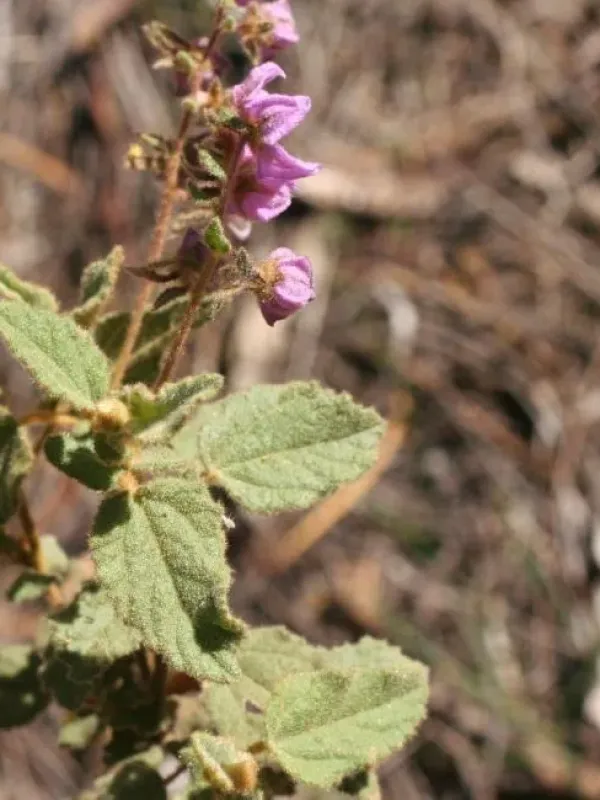
Description
Growing requirements
Thomasia tenuivestita is a perennial evergreen shrub belonging to the Malvaceae family. Native to the southwestern regions of Western Australia, this species is well-adapted to sandy, well-draining soils that characterize its natural habitat.
Botanically, the plant is distinguished by its finely hairy leaves, which provide a unique texture and serve as an evolutionary adaptation to arid conditions. The flowers typically display soft pink or violet hues, enhancing its appeal as an ornamental plant in temperate climates.
Regarding climatic needs, this culture thrives in Mediterranean-style environments with distinct dry periods. It is highly sensitive to frost and requires a stable, warm temperature range throughout the year to maintain its vigor and healthy appearance.
Soil requirements for Thomasia tenuivestita are specific: it demands an acidic to neutral substrate with excellent aeration. In cultivation, container planting is often preferred to ensure precise control over soil composition and drainage, preventing moisture stress.
The primary use of this shrub is ornamental, favored by collectors of Australian flora. It serves as an excellent feature plant in conservatories or climate-controlled gardens where conditions can be tailored to its specific ecological needs.
Main diseases and pests
The most significant threats to Thomasia tenuivestita are root-related pathogens, primarily caused by overwatering or inadequate soil drainage. Fungal diseases often thrive in damp environments with poor air circulation.
Common horticultural pests, such as mealybugs and aphids, pose a recurring risk, especially when the plant is grown indoors or in protected environments. Infestations can weaken the plant and reduce its aesthetic value significantly.
Leaf spot diseases may occur if the foliage is kept moist for prolonged periods. To mitigate these risks, it is essential to ensure that water is applied directly to the base of the plant, avoiding the leaves entirely.
Nutrient deficiency, particularly regarding iron or magnesium, can manifest as interveinal chlorosis. Maintaining the correct pH balance is critical to ensure the plant can effectively absorb available nutrients from the substrate.
Proactive monitoring is vital. Implementing a regimen of regular inspections and maintaining consistent environmental parameters are the best strategies to ensure the long-term health and survival of this unique shrub.