
Thladiantha dubia
Thladiantha dubia
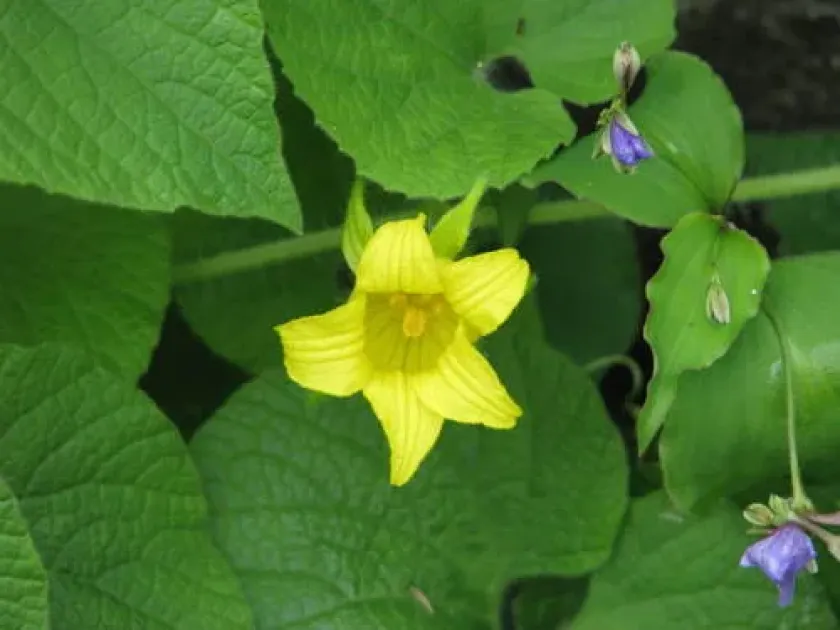
Description
Sowing dates
Propagation of Thladiantha dubia is most effectively achieved through vegetative methods, using rhizome segments or daughter tubers, as seed propagation is characterized by extremely low germination rates.
Tubers should be planted in open ground in early spring, once the soil temperature reaches 8–10 degrees Celsius, which typically corresponds to April or early May in temperate regions.
If using seeds, it is recommended to sow them in late autumn for natural stratification or to use pre-stratified seeds in the spring to improve emergence success.
The planting depth should be approximately 5–8 centimeters for rhizomes and 1–2 centimeters for seeds, with a spacing of at least 50–70 centimeters between individual plants.
This crop exhibits strong invasive characteristics; therefore, when selecting a planting site, it is crucial to install root barriers to prevent the plant from spreading uncontrollably across the garden.
Growing requirements
Thladiantha dubia is a light-loving crop that prefers well-lit areas, although partial shade during the hottest hours of the day is beneficial to protect the foliage from scorching.
The plant has moderate soil fertility requirements and thrives in light loamy or sandy soils with a neutral or slightly acidic pH level.
A sturdy support system is vital for successful growth, as the plant is a vigorous herbaceous vine capable of climbing to heights of 3 to 5 meters.
The crop is moisture-demanding and requires regular watering during dry spells, but it is extremely sensitive to waterlogging in the root zone, which can lead to tuber decay.
In temperate climates, the plant shows high cold hardiness; the above-ground part dies back annually with the first frosts, while the rhizomes successfully overwinter in the soil without extra protection.
Yield
Yield depends directly on pollination conditions: as the plant is dioecious, having both male and female specimens on the site is essential for fruit setting.
In the wild, pollination is performed by wild bees, but in a garden setting, manual transfer of pollen from male to female flowers is often necessary to maximize fruit production.
The fruits of Thladiantha dubia are succulent, elongated berries that are green during the technical maturity stage and turn a vibrant red when fully ripe.
Maximum productivity is typically observed from the third or fourth year of growth, once the root system has fully established and the plant has developed a dense leaf canopy.
- Average fruit weight ranges from 30 to 50 grams.
- With proper care, a single plant can produce up to 2–3 kilograms of fruit per season.
- Fruits contain B-group vitamins, Vitamin C, carotene, and essential minerals.
Main diseases and pests
The crop possesses a high level of phytosanitary resilience and is rarely subject to mass infestations of fungal diseases typically affecting other members of the Cucurbitaceae family.
Under conditions of high humidity and poor ventilation, powdery mildew may appear, necessitating prophylactic treatment with fungicides or biological control agents.
Slugs and snails pose the primary threat to Thladiantha, as they can feed on young shoots and leaves in early spring, significantly hindering the vine's growth rate.
In rare instances, the root system may be damaged by wireworms or white grubs, so the soil around the plantings should be regularly loosened and kept free of weeds.
It is important to be aware of viral infections that can be transmitted via planting material; therefore, always source healthy tubers from reliable suppliers for new plantings.
Harvesting
Harvesting Thladiantha is conducted in stages, as the fruits ripen, starting from late August and continuing throughout the autumn until the first significant frosts occur.
Fruits intended for fresh consumption should be picked when they become soft and reach their characteristic bright red color, indicating peak sugar content.
For culinary applications such as jams, preserves, or pickles, unripe green fruits can be harvested, which offer a flavor profile similar to that of common cucumbers.
It is recommended to harvest in dry weather to prevent spoilage during storage, as the ripe fruits have a delicate skin and are prone to bruising.
After the harvest is complete, the above-ground stems should be cut back to small stumps, which simplifies garden maintenance during the winter and helps prevent the spread of diseases.