
Thladiantha cordifolia
Thladiantha cordifolia
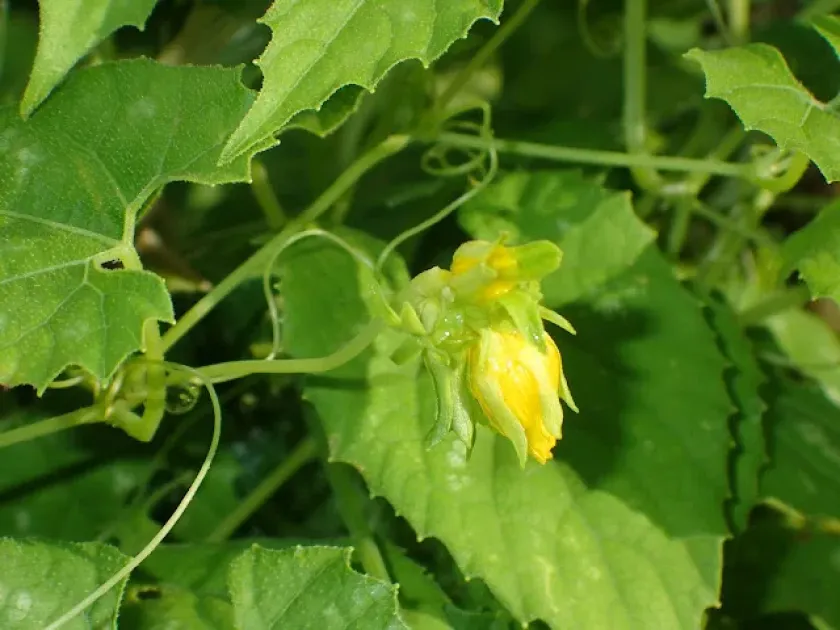
Description
Sowing dates
Thladiantha cordifolia is primarily propagated through vegetative means, specifically by dividing its rhizomes or using its tuberous roots. Planting material should be placed in the soil in early spring once it has warmed to 10-12 degrees Celsius, facilitating robust initial root growth.
For seed-based propagation, seeds require a mandatory stratification period of one to two months at cold temperatures. Sowing in containers should be done in March, ensuring the seedlings develop a strong root system and several true leaves before being transplanted into the garden.
Selecting a permanent location is crucial because this perennial vine of the Cucurbitaceae family grows vigorously and can quickly overtake large areas. Spacing between individual plants should be at least one meter to ensure proper ventilation and sunlight penetration.
To enhance seed germination, soaking in growth stimulants is recommended. Direct sowing in open fields is only feasible in warmer regions where the threat of late spring frosts is minimal, as young sprouts are highly susceptible to cold damage.
When planting tubers, bury them 10-15 centimeters deep in well-prepared soil. Integrating compost or well-rotted manure into the planting hole provides essential nutrients that support the vine's rapid growth cycle during the early summer months.
Growing requirements
Thladiantha cordifolia thrives in well-lit areas protected from strong winds. While it can tolerate partial shade, the plant performs significantly better in full sun, which promotes more intense growth and better fruit development.
The plant requires loose, fertile soil with a neutral to slightly alkaline pH. Heavy clay soils should be amended with sand or organic matter to improve aeration and drainage, as the plant's tubers are sensitive to waterlogging and compaction.
Regular and deep irrigation is essential during the active growing season, especially during hot summer periods. While the vine's deep root system can access groundwater, prolonged drought will cause leaves to wilt and reduce overall vigor.
A sturdy vertical support system is a mandatory requirement for cultivation. As a vigorous climbing vine, Thladiantha cordifolia needs a reliable trellis or fence to allow its tendrils to secure themselves, ensuring all leaves receive optimal solar exposure.
Mulching the base of the plant with straw or grass clippings helps maintain consistent soil moisture and prevents weeds. This practice minimizes competition for nutrients and protects the shallow roots near the surface.
Yield
Yield depends heavily on the presence of pollinators, as the plant is frequently dioecious. To ensure successful fruit set, growers should have both male and female plants in close proximity, or perform manual pollination to guarantee production.
The fruits appear as elongated, cucumber-like berries that transition from green to a deep red when fully ripe. Harvesting occurs from late summer until the first frost, at which point the above-ground vegetation naturally begins to wither.
Under favorable conditions, a single healthy vine produces a significant quantity of fruits. These fruits have a unique flavor profile, often described as a hybrid between a cucumber and a melon, and are versatile in culinary applications.
Applying balanced mineral fertilizers rich in potassium and phosphorus during the flowering stage helps boost fruit production. Excessive nitrogen should be avoided, as it can cause the vine to invest energy solely into foliage at the expense of fruit development.
Harvested fruits are delicate and have thin skin, meaning they do not store well for long periods. They should be processed into jams, preserves, or consumed shortly after harvesting to take advantage of their freshness.
Main diseases and pests
While the plant is relatively resilient, high humidity and poor airflow can lead to powdery mildew. This fungal disease appears as a white, dusty layer on the leaves, which can spread rapidly if not treated with appropriate fungicides.
Spider mites represent a significant threat, particularly in hot and dry weather. They feed on plant sap, causing leaves to develop yellow spots, curl, and eventually wither, which directly decreases the plant's photosynthetic capacity.
In humid conditions, aphids may infest the succulent tips of the vines. This causes leaf deformation and can facilitate the transmission of viral diseases, which are notoriously difficult to manage once the plant is infected.
Preventative measures include regular weeding, maintaining proper spacing, and clearing plant debris in the autumn. Using biological insecticides is a preferred method for managing pests while minimizing environmental impact.
Due to the plant's aggressive rhizomatous growth, it is recommended to install root barriers. Without containment, the roots can spread widely, potentially becoming an invasive issue in other parts of the garden.
Harvesting
Harvesting should be done selectively as fruits ripen unevenly. A ripe fruit is soft to the touch and turns a vibrant red color, which serves as the visual indicator for readiness. Use sharp garden shears to avoid damaging the vine during the process.
The harvest must be completed before the first hard frost kills the above-ground portions of the vine. The tubers remain viable in the soil, and in colder regions, they can be protected with a layer of organic mulch for winter insulation.
If tubers are harvested for medicinal or nutritional use, this should be done after the vine has completely died back. Store the tubers in a cool, dark, and humid environment to prevent them from desiccating.
Handle the vines with care during the harvest to prevent unnecessary damage to the root zone. Following the collection, prune the dead stems back to the ground level to tidy the area and prepare the plot for the dormant period.
Sort the collected fruits immediately after harvest, discarding any that show signs of physical bruising or spoilage. Their high sugar content makes them attractive to fungi, so prompt processing is the key to quality preservation.