
Tetrapogon cenchriformis
Tetrapogon cenchriformis
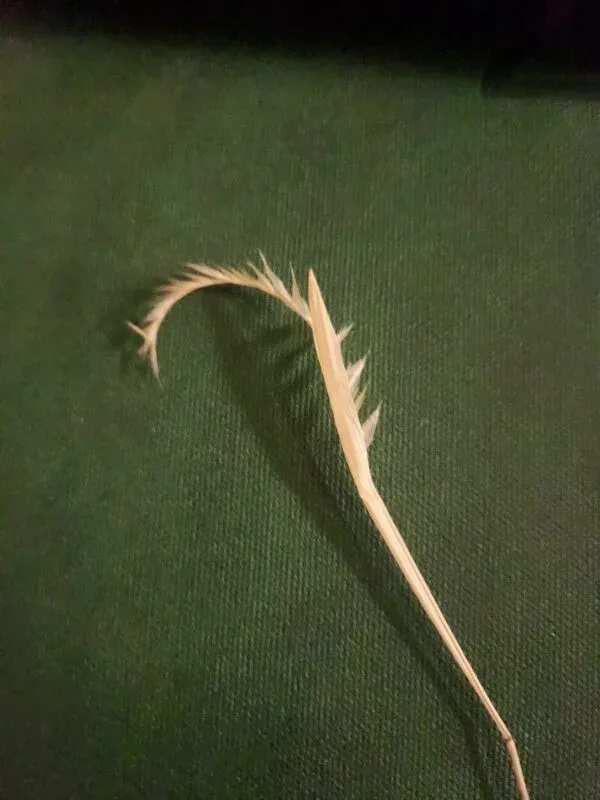
Description
Sowing dates
Tetrapogon cenchriformis is a perennial grass species belonging to the Poaceae family. It is native to the arid and semi-arid regions of Africa, where it has evolved to thrive in challenging environmental conditions with limited moisture.
In agricultural practice, the sowing of this species requires well-prepared seedbeds to ensure optimal germination. It is best to schedule the sowing period at the onset of the rainy season to provide sufficient moisture for the initial growth stages.
The seeds possess good germination potential when placed at the correct depth in warm, aerated soil. Using specialized seeding equipment helps achieve an even distribution, which promotes a uniform plant stand across the field.
The plant demonstrates excellent potential for natural regeneration, making it a reliable choice for long-term pasture development. Once established, it requires minimal intervention to maintain its presence in the ecosystem.
Row seeding with an spacing of approximately 30 centimeters is recommended for commercial cultivation. This configuration allows for adequate air circulation and provides each plant with sufficient space to develop a robust root architecture.
Growing requirements
The culture exhibits remarkable tolerance to varying soil conditions, including sandy, stony, or nutrient-poor substrates. The primary requirement for successful cultivation is good soil drainage, as the species does not tolerate waterlogging.
Tetrapogon cenchriformis is a xerophytic plant, capable of surviving through extended drought periods. Its physiological adaptations allow it to enter a state of metabolic dormancy during harsh weather, which protects it from total loss.
Neutral to slightly acidic soil pH ranges are ideal for maximizing the growth potential of this grass. While it can survive in poor soils, the application of small amounts of fertilizer can significantly enhance its vigor after grazing.
Optimal temperatures for active vegetative growth range from 25 to 35 degrees Celsius. The plant is sensitive to cold, which restricts its cultivation to tropical and subtropical regions where frost is not a factor.
Full sun exposure is crucial for the development of Tetrapogon cenchriformis, as it does not thrive in shaded environments. It must be planted in open areas to ensure photosynthesis remains at an optimal level throughout the growing season.
Yield
The productivity of the grass is largely dependent on the total annual rainfall and the intensity of grazing or harvesting practices. Under favorable moisture conditions, the plant is capable of producing multiple regrowths during a single season.
Its agricultural value lies in its high nutritional profile, which remains relatively stable even as the plant matures. Livestock, including both large and small ruminants, find the green mass palatable and easy to digest.
When managed for hay production, the dry matter yield can reach several tons per hectare, depending on local environmental factors. Harvesting should be performed before the plant reaches the late flowering stage to ensure the best protein content.
Effective pasture management requires a rotational grazing system to prevent overgrazing. Allowing the plants sufficient recovery time ensures that root reserves are replenished, sustaining long-term biomass production.
Periodic assessments of the biomass yield should be conducted to adjust grazing intensity based on the growth rate. Sustainable management practices help maintain high pasture quality over multiple years of use.
Main diseases and pests
Fungal diseases are a primary threat, particularly in environments with high humidity or poor aeration, which can lead to leaf and stem lesions. Maintaining proper stand density is a key preventative measure.
Various insect species found in arid zones may pose a threat to the grass during peak vegetative periods. Regular monitoring and integrated pest management strategies are essential to keep populations below economic injury levels.
Weed competition can be a significant obstacle during the establishment phase of the crop. Implementing timely weeding or mowing practices is necessary to ensure the grass successfully competes for resources.
Soil-borne pathogens and nematodes can accumulate over time if the same land is used for continuous planting. A balanced crop rotation program is highly recommended to disrupt the life cycles of these pests.
Over-fertilization with nitrogen can inadvertently lead to increased susceptibility to lodging and fungal infections. Nutritional management should be based on soil analysis to avoid creating unnecessary vulnerabilities in the plant stand.