
Tetradium daniellii
Tetradium daniellii (Benn.) T. G. Hartley
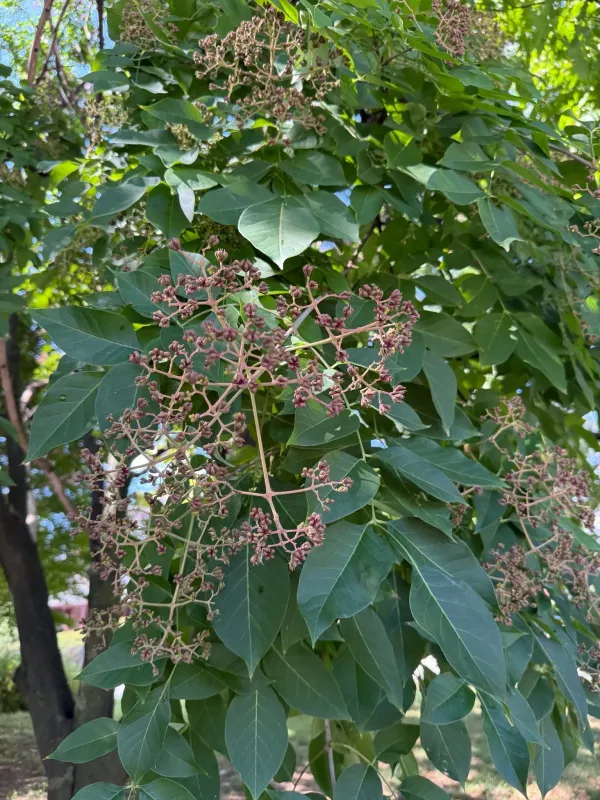
Description
Growing requirements
Tetradium daniellii, commonly known as the Korean Evodia or Bee-Bee Tree, belongs to the Rutaceae family. Native to East Asia, this deciduous tree is highly prized in agroforestry and ornamental horticulture.
The tree thrives in full sun, which is essential for maximizing its flowering potential. It is adaptable to a variety of soil types, provided that they have excellent drainage to prevent root rot issues.
While the tree is moderately cold-hardy, it prefers protection from harsh winter winds, especially during its establishment phase. In colder regions, providing mulch around the base helps protect the root system.
Soil requirements include moderate fertility and a slightly acidic to neutral pH. It is crucial to ensure that the site does not experience waterlogging, as the species is sensitive to poorly aerated soil conditions.
Standard cultivation involves regular watering during the first few years to ensure the root system is well-established. Once mature, the tree is relatively drought-tolerant and requires minimal maintenance.
Yield
The Bee-Bee Tree is famous for its late-summer nectar production, blooming when few other major nectar sources are available. It is an invaluable asset for commercial and hobbyist beekeepers alike.
Each mature tree can produce a substantial amount of nectar, which bees transform into a mild, light-colored honey that is highly resistant to crystallization. The fragrance of the flowers is quite attractive to various pollinators.
Flowering usually begins in mid-summer, providing a steady supply of both nectar and pollen. This late-season food source is vital for maintaining healthy bee colonies and ensuring successful brood development.
For the best results, planting in small groves is recommended. This not only increases the total nectar yield per acre but also provides a more concentrated source of forage for visiting honey bees.
The tree also produces unique reddish seed pods that remain on the branches, adding ornamental interest. The seeds are sometimes consumed by birds, contributing to the biodiversity of the surrounding landscape.
Main diseases and pests
Tetradium daniellii is generally considered a low-maintenance tree with few serious pests or diseases. Its robust nature makes it an excellent choice for sustainable gardening and apiculture.
Potential threats include scale insects or aphids that may occasionally feed on young, tender shoots. These are usually manageable with standard horticultural soaps or biological control agents if necessary.
Fungal infections can occur if the tree is planted in heavy, waterlogged soils. Ensuring that the planting site has adequate slope or artificial drainage will mitigate most moisture-related risks.
Sunscald on the trunks can happen in areas with intense winter sunlight and fluctuating temperatures. Protecting the trunk with light-colored tree wraps during the first few winters is a recommended practice.
Regular monitoring and pruning are the best preventative measures. Removing dead or crossing branches improves air circulation through the canopy, significantly reducing the likelihood of any localized pest outbreaks.