
Tetradenia multiflora
Tetradenia multiflora
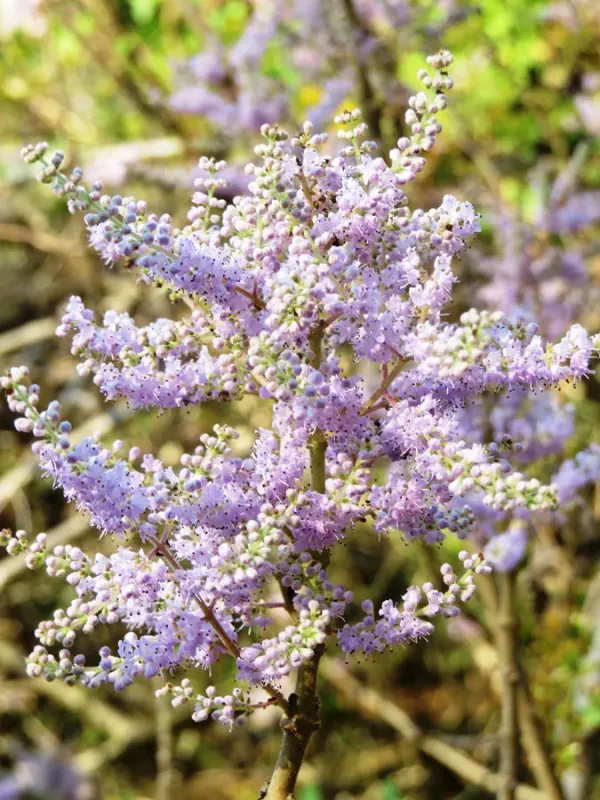
Description
Sowing dates
Propagation of Tetradenia multiflora is typically achieved through seed sowing or stem cuttings. It is recommended to start seeds in a greenhouse setting during early spring to leverage increasing daylight hours.
Seeds should be sown on the surface of a light, well-draining substrate and covered lightly with vermiculite. Maintaining high humidity is crucial for germination, which can be achieved by covering containers with plastic.
Cuttings should be taken from healthy, actively growing shoots during the summer months. Rooting is most successful in a warm environment with a steady temperature of approximately 23 degrees Celsius.
Transplanting to the final growing site must only occur once all risks of frost have passed. The plant is sensitive to temperature fluctuations, making stability a key factor in early development.
Spacing requirements vary depending on whether the plants are grown for ornamental purposes or essential oil extraction, with a minimum distance of 50 cm between individual specimens.
Growing requirements
Tetradenia multiflora belongs to the Lamiaceae family and thrives in tropical and subtropical climates. It requires bright, indirect sunlight to maintain its vigor and promote robust leaf production.
Soil quality is paramount; the medium must be highly porous and well-draining to prevent root asphyxiation. A mix of organic matter, sand, and loam provides the ideal environment for this species.
Watering should be consistent but moderate. The root zone should never remain waterlogged, as this is the primary cause of decline for this culture, especially during cooler periods.
The plant prefers temperatures between 20 and 28 degrees Celsius. Protection from harsh winds and cold drafts is essential to maintain the health of the foliage throughout the growing season.
Fertilization with a balanced NPK fertilizer during the active growth phase supports the development of lush foliage and is highly beneficial for overall biomass yield.
Main diseases and pests
Root rot is the most significant threat to Tetradenia multiflora, usually triggered by poor drainage and overwatering. Proper soil moisture management is the primary preventative measure.
Pests such as spider mites and aphids are common, especially in environments with low humidity. These pests feed on the sap and can quickly cause significant damage to young shoots.
Powdery mildew can infect leaves in humid conditions with limited airflow. Implementing proper spacing and pruning techniques can improve air circulation and reduce infection risks.
Integrated pest management, including the use of neem oil or biological controls, is recommended over harsh chemicals to protect the plant's essential oil composition.
Regular monitoring of the foliage and stems allows for early detection of potential threats, ensuring that interventions are targeted and effective in maintaining plant health.