
Telephium sphaerospermum
Telephium sphaerospermum
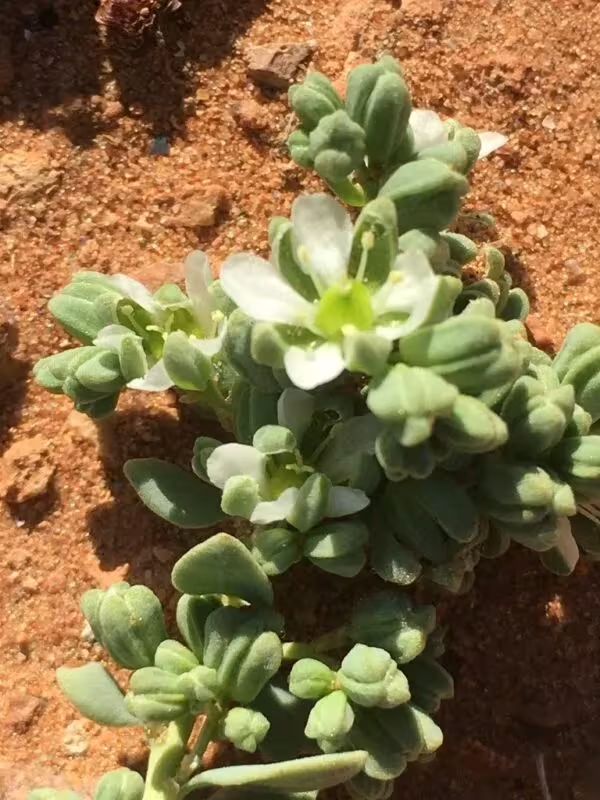
Description
Sowing dates
Telephium sphaerospermum is typically propagated via seeds, which require careful soil preparation. The ideal sowing period is early spring, once the soil has warmed to a temperature of 12-15 degrees Celsius, ensuring optimal germination conditions.
Seeds should be planted at a shallow depth of no more than 1-2 centimeters. This shallow placement is crucial, as it allows for proper light exposure and ensures the seeds do not struggle to emerge through the soil layer.
Maintaining a row spacing of 30-40 centimeters is recommended to provide sufficient room for the plant to spread its foliage and develop a robust root system. Proper spacing also helps to mitigate competition between individual plants in the field.
When starting from seedlings, the transplanting process into the open field should be conducted only after the risk of late spring frosts has passed. This timing ensures that the plants are well-prepared for rapid establishment in their permanent location.
Initial irrigation after sowing should be carefully managed to keep the soil moist but not waterlogged. Excess water during the germination phase can lead to fungal infections and seed decay, significantly reducing crop density.
Growing requirements
Telephium sphaerospermum is a member of the Caryophyllaceae family, known for its high resilience in challenging environmental conditions. It thrives in locations with full sun exposure and performs best when planted in areas with excellent drainage.
The plant is not particularly demanding regarding soil quality and can successfully adapt to sandy, rocky, or nutrient-poor substrates. Its ability to extract limited nutrients makes it a highly versatile crop for marginal lands.
This species is well-adapted to arid climates and low humidity levels. Its natural tolerance to soil salinity provides an advantage in regions where other crops might fail due to salt accumulation in the soil profile.
The optimal pH range for this crop is between 6.5 and 7.5. Intensive mineral fertilization is generally not required, as the plant is adapted to thrive in harsh, natural conditions without additional chemical inputs.
In areas prone to excessive rainfall, growing the crop on raised beds is highly recommended. This practice ensures that water is effectively diverted away from the root system, preventing the risk of root rot and other moisture-related issues.
Main diseases and pests
Fungal diseases, often triggered by chronic moisture and poor soil aeration, represent the primary threat to the health of Telephium sphaerospermum. Root rot is a common symptom of poor field drainage and excessive irrigation practices.
While pests are not usually a major concern, aphids may occasionally attack the tender shoots during active growth phases. Regular monitoring is essential to prevent these small pests from causing significant damage to the plant's structural integrity.
Integrated pest management and biological control methods are the preferred approach for maintaining crop health. Chemical interventions should be strictly minimized to ensure the environmental sustainability of the farming site.
Weed competition can be quite detrimental to young plants. Regular mechanical weeding and soil loosening between rows are necessary practices to ensure the plant has access to sunlight and the necessary resources for vigorous development.
Maintaining high phytosanitary standards, including the use of clean planting material and consistent crop rotation, remains the most effective defense against the spread of potential diseases throughout the cultivation area.