
Telephium imperati
Telephium imperati
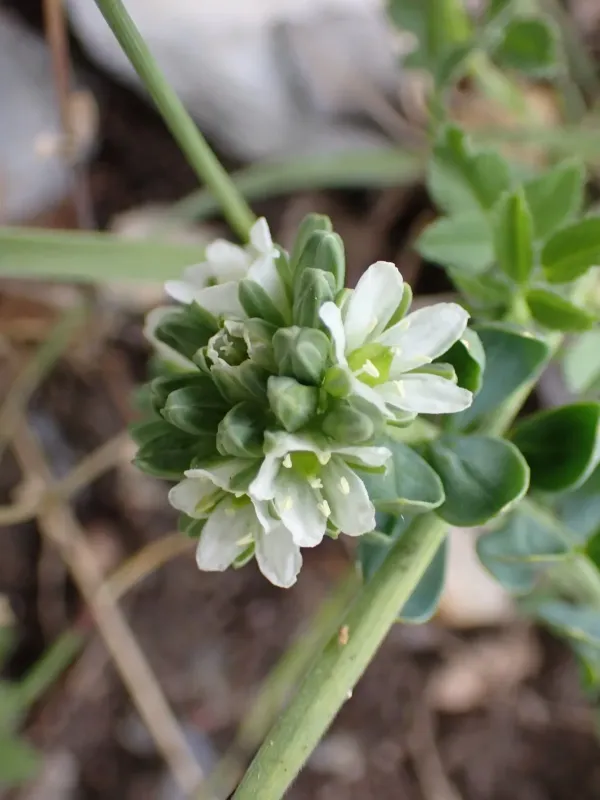
Description
Sowing dates
Sowing Telephium imperati seeds is best carried out in early spring once soil temperatures reach 10–12 degrees Celsius. The seeds often require cold stratification, so early seasonal planting leverages natural climate cycles to improve germination rates significantly.
Seeds should be sown in rows with a spacing of approximately 30–40 centimeters between them to ensure adequate space for development. It is vital to maintain a shallow planting depth, ideally between 0.5 and 1 centimeter, as deep burial can prevent successful emergence.
Initial growth is relatively slow, making weed control a priority during the first weeks of the plant's life cycle. Ensuring that the nursery or field remains free of competing vegetation allows the seedlings to establish a strong root system without excessive competition.
Once seedlings have developed several sets of true leaves, they should be thinned to a final spacing of 20 centimeters between individual plants. This spatial management is crucial for facilitating proper airflow and preventing the spread of fungal pathogens in the denser parts of the crop.
For regions with milder climates, late autumn or winter sowing is an option that can lead to an earlier start in the following growing season. In such cases, protecting the beds with a light layer of mulch helps preserve seed viability against temperature fluctuations.
Growing requirements
Telephium imperati, a member of the Caryophyllaceae family, thrives in well-drained, sandy, or rocky soils. It is highly intolerant of waterlogged conditions, making effective drainage the most important site selection criteria to avoid root rot and premature decay.
As a sun-loving plant, it requires an open and fully exposed location to reach its full biological potential. Any significant shade can lead to leggy growth and reduced structural integrity, making site selection critical for productive agricultural outcomes.
The plant is highly drought-tolerant, naturally adapted to environments where water is scarce during the summer months. Consequently, it requires minimal supplemental irrigation once the plant has fully established its deep root system, making it an efficient crop for dry climates.
While the plant can grow in nutrient-poor soils, modest applications of potassium-based fertilizers can enhance stem strength and overall disease resistance. Avoiding high nitrogen content is recommended, as it can cause excessive vegetative growth at the expense of root resilience.
- Maximum exposure to direct sunlight.
- Neutral to slightly alkaline soil pH levels.
- Maintenance of good soil aeration and structure.
Main diseases and pests
Root rot remains the primary threat to Telephium imperati, usually triggered by stagnant water and poor soil drainage. Managing irrigation carefully and ensuring that the soil does not stay constantly wet is the best prevention strategy for maintaining crop health.
Powdery mildew can infect leaves during periods of high humidity and stagnant air. Maintaining proper spacing and ensuring excellent ventilation between plants significantly reduces the risk of this fungal disease taking hold during the growing season.
Wireworms can pose a challenge by feeding on the roots and the base of the stem during the establishment phase. Cultural controls, such as crop rotation and thorough soil cultivation prior to planting, are essential for minimizing the impact of these soil-dwelling pests.
Aphids are frequent pests that target the tender, growing shoots, leading to stunted development and leaf distortion. Integrated pest management, including the use of bio-insecticides or natural predators, is effective in keeping aphid populations below the economic threshold.
Spider mites may become a localized issue during particularly hot and arid conditions. Regular monitoring and maintaining proper plant vigor through appropriate care are the most effective ways to manage this threat without relying on heavy chemical interventions.