
Tecomanthe speciosa
Tecomanthe speciosa
Description
Growing requirements
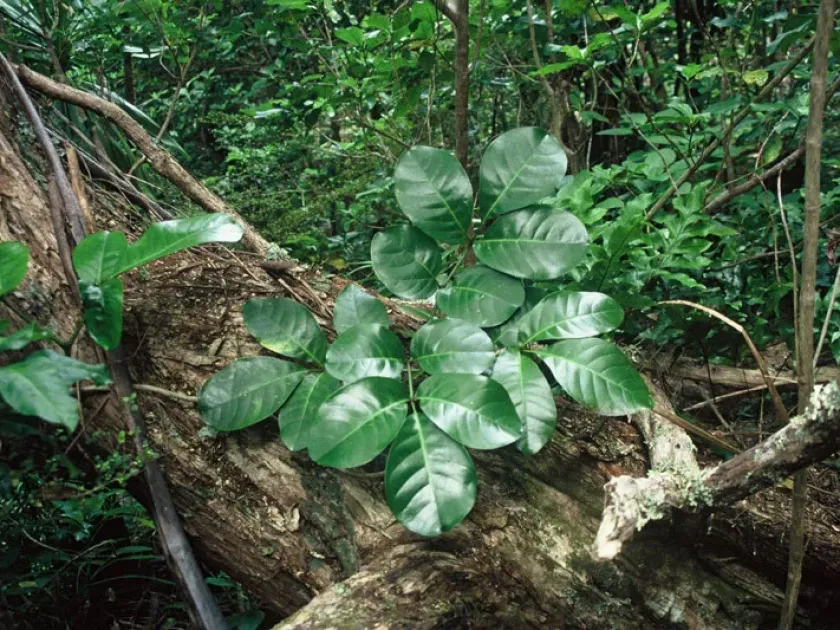
Tecomanthe speciosa, commonly known as the Three Kings Vine, is a rare woody evergreen climber belonging to the Bignoniaceae family. It originates from the Three Kings Islands off the coast of New Zealand, making it a highly sought-after botanical specimen.
The plant thrives in subtropical climates and requires protection from frost and freezing temperatures. It is best suited for conservatories or sheltered garden spots where temperatures can be consistently maintained within a moderate range.
A well-draining, nutrient-rich soil is essential for the healthy development of this species. It prefers a slightly acidic to neutral pH balance and benefits from regular applications of balanced organic fertilizers during the active growing season.
Providing a sturdy climbing structure is necessary for the plant to exhibit its full growth potential. As a vigorous grower, it requires sufficient space and regular pruning to manage its size and encourage denser foliage and flowering.
Watering requirements should be carefully monitored; while the plant enjoys consistent moisture, it is highly sensitive to waterlogging. The growing medium should remain moist but never saturated to ensure the roots remain healthy and aerated.
Main diseases and pests
Root rot is the most common threat to Tecomanthe speciosa, usually caused by improper soil aeration or overwatering. Maintaining a proper drainage system and allowing the substrate to dry slightly between watering cycles is crucial.
Pests such as spider mites and scale insects are known to attack the foliage and stems, particularly in indoor or greenhouse settings. Regular inspections are advised to catch early signs of infestation before they spread across the plant.
Aphids can target the tender new growth during the spring, leading to leaf curling and stunted development. These should be treated immediately with mild insecticidal soaps or horticultural oils to protect the plant's health.
Fungal issues, including leaf spots, may occur if the plant is grown in environments with high humidity and poor air circulation. Proper spacing between plants and the use of fans in enclosed spaces can significantly reduce these risks.
Systemic insecticides or eco-friendly biological controls should be employed if infestations become severe. Always maintain the plant's overall vigor through adequate light and correct feeding to improve its natural resistance to pests and diseases.