
Tecomanthe dendrophila
Tecomanthe dendrophila
Description
Growing requirements
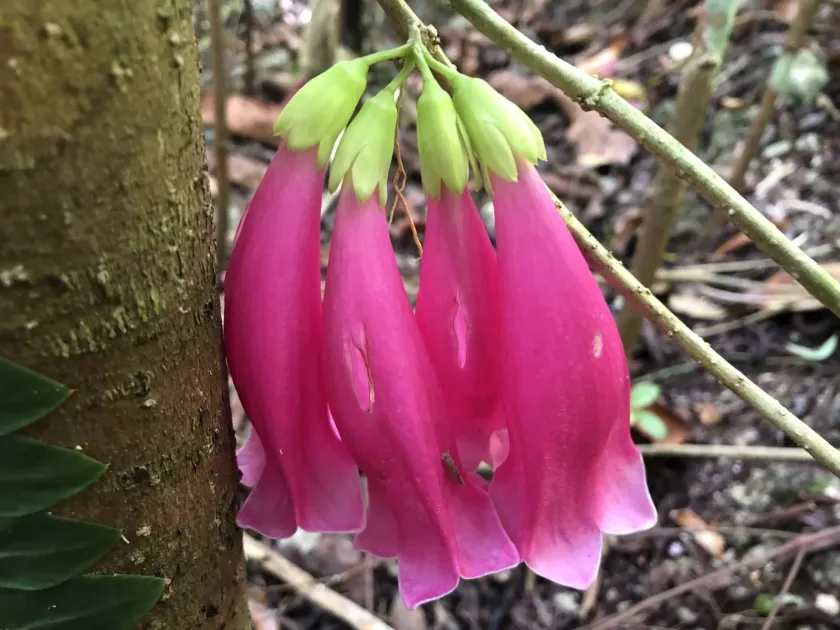
Tecomanthe dendrophila is a vigorous, woody, evergreen vine belonging to the Bignoniaceae family. Native to the tropical rainforests of New Guinea, it typically climbs high into the canopy, making it a spectacular botanical specimen for large conservatory environments.
This crop requires strict climatic control to thrive, demanding temperatures between 22 and 28 degrees Celsius year-round. It is highly sensitive to cold, and exposure to temperatures dropping below 15 degrees Celsius can cause significant stress or death to the plant.
Successful cultivation relies on a rich, well-draining potting medium that mimics the forest floor. A high level of ambient humidity is critical for the healthy development of its glossy leaves and the induction of its unique, cauliflorous inflorescences.
Agronomic management includes providing a robust support system, as the vine can grow to considerable lengths. Regular pruning is necessary to maintain the plant within greenhouse boundaries and to stimulate new growth from the main branches.
Primarily used for ornamental purposes in botanical gardens and private collections, this plant is celebrated for its spectacular tubular flowers. Its ability to produce blooms directly from old wood makes it a highly sought-after plant for tropical conservatory displays.
Main diseases and pests
In greenhouse settings, Tecomanthe dendrophila is susceptible to common tropical pests such as spider mites, which thrive in stagnant, dry air conditions. Frequent misting and proper airflow are the most effective preventive measures against these infestations.
Root rot caused by overwatering or poor drainage is a significant threat to this vine. It is imperative to ensure that the potting mix allows for excess water to escape rapidly, as the roots are intolerant to prolonged saturation in heavy soil.
Mealybugs and aphids can also affect the succulent new growth of the vine. Integrated pest management strategies, involving both physical removal and the application of mild systemic insecticides, are recommended to protect the integrity of the plant.
Nutrient deficiencies, particularly iron or magnesium, can manifest as leaf chlorosis. Consistent fertilization with a balanced, micronutrient-enriched formula is essential to maintain the vibrant green foliage typical of this species.
Regular inspection of the vine is necessary to catch diseases early. Pathogens can spread quickly in the humid environments required for the plant, making hygiene and sanitation within the growing space top priorities for every curator.