
English yew
Taxus baccata L.
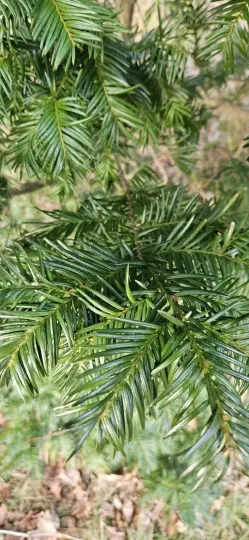
Description
Sowing dates
Propagation of Taxus baccata is typically achieved through seeds or stem cuttings. Seeds require a long stratification period, often lasting from 6 to 12 months, and are usually sown in nursery beds during the autumn season.
Vegetative propagation via semi-hardwood cuttings is the preferred method for maintaining specific cultivars. Cuttings are taken in late summer and treated with rooting hormones to ensure successful development of the root system.
The cuttings are placed in a well-draining medium consisting of sand and peat. Maintaining stable moisture levels and adequate protection from direct sunlight is crucial during the initial rooting phase in a greenhouse environment.
Transplanting seedlings to their final location is best performed in early spring or late autumn. This ensures the roots establish before the onset of extreme seasonal temperatures, which is vital for young plant survival.
Due to the slow growth rate of the yew, planting densities must be carefully calculated to prevent overcrowding and to allow each specimen sufficient resources for long-term development.
Growing requirements
The English yew belongs to the Taxaceae family and is known for its remarkable longevity and shade tolerance. This evergreen conifer has been cultivated for centuries in landscaping and as a specimen tree.
Optimal growth requires fertile, well-drained, and slightly alkaline or neutral soils. The species is highly sensitive to waterlogged conditions, which frequently cause root suffocation and subsequent plant decline.
Taxus baccata prefers temperate climates with consistent air humidity. While it exhibits considerable cold hardiness once established, young plants may require protection during exceptionally harsh winter conditions.
Agronomic management includes annual pruning, as the yew is highly responsive to shearing. This makes it an ideal candidate for formal hedges and topiary work, which are staples of professional landscape maintenance.
Site selection should avoid areas prone to stagnant water or extreme soil acidity. Providing balanced fertilization in early spring encourages healthy foliage growth and enhances the overall vigor of the plant.
Main diseases and pests
Root rot, often caused by species of Phytophthora, is a significant threat to yews, especially in heavy, poorly drained soils. Management focuses on improving soil drainage and applying appropriate soil-applied fungicides.
The yew scale insect is a primary pest, damaging needles and young twigs by sucking sap. Severe infestations lead to secondary issues, such as the growth of sooty mold on the honeydew excreted by the insects.
Gall midges can cause needle deformation and swelling. Monitoring during the adult flight period and applying systemic insecticides are effective strategies for controlling these specific pest populations.
Regular sanitation, including the removal of dead or diseased branches, is essential for maintaining plant health. Proper air circulation within the canopy helps reduce the prevalence of fungal infections.
Operators should handle the plant with caution, as Taxus baccata contains toxic alkaloids (taxines) in its foliage and seeds. Protective gear is recommended during all pruning and maintenance operations.