
Intermediate yew
Taxus x media Rehder
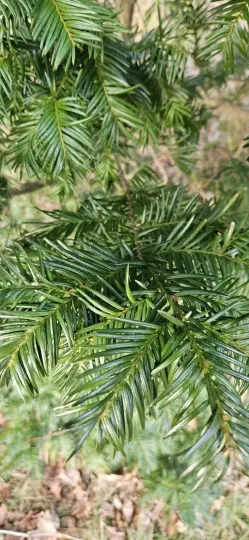
Description
Growing requirements
The intermediate yew (Taxus x media) is a hybrid cultivar belonging to the Taxaceae family, resulting from a cross between Taxus baccata and Taxus cuspidata. This versatile plant has become a staple in landscaping due to its resilience, adaptability, and high aesthetic value.
It thrives in well-drained, fertile, loamy soils with a pH ranging from slightly acidic to slightly alkaline. It is essential to ensure that the site does not have waterlogging issues, as constant moisture around the roots can lead to fatal root decay in this species.
Intermediate yew is well-known for its shade tolerance, making it an excellent choice for northern exposures or areas under dense tree canopies. While it can survive in various light conditions, moderate sunlight encourages a denser, more uniform foliage growth.
Cultivation practices involve regular mulching to retain soil moisture and reduce competition from weeds. Young plants require consistent watering during their first few seasons, while mature specimens show moderate drought tolerance once fully established in the landscape.
Because of its slow growth rate and ability to tolerate severe pruning, this yew is widely used for topiaries, formal hedges, and privacy screens. It serves as a structural element in gardens, providing a permanent green background throughout the entire year.
Main diseases and pests
The Taxus mealybug (or scale insect) is a primary pest that can cause significant damage to the foliage by sucking sap. If left untreated, severe infestations lead to stunted growth and the appearance of sooty mold, which grows on the honeydew secreted by the pests.
Phytophthora root rot is a common and destructive fungal disease, often triggered by poorly drained soil or over-irrigation. It typically presents as a gradual decline of the plant, starting with yellowing needles and eventually leading to the death of the entire root system.
Needle cast (shutte) and various fungal blights can affect the plant if air circulation is insufficient or if the needles remain wet for extended periods. Proper spacing between plants during installation helps mitigate these risks significantly.
Winter burn, or desiccation, occurs when the plant loses water through its needles on sunny winter days while the roots remain frozen in the ground. Protective burlap or anti-desiccant sprays are standard solutions to prevent such physiological damage.
Effective management includes regular monitoring and the use of appropriate fungicides or insecticides only when initial symptoms appear. Maintaining plant vigor through balanced care is the best long-term defense against both common pests and environmental stressors.